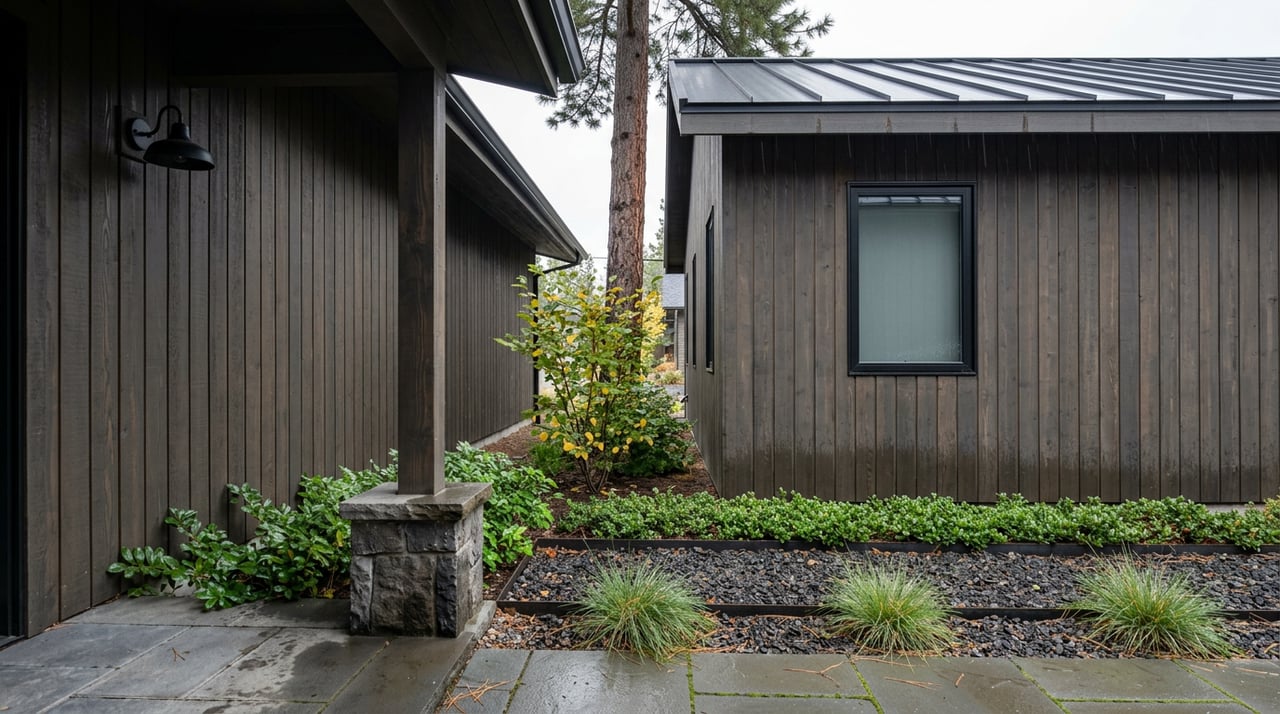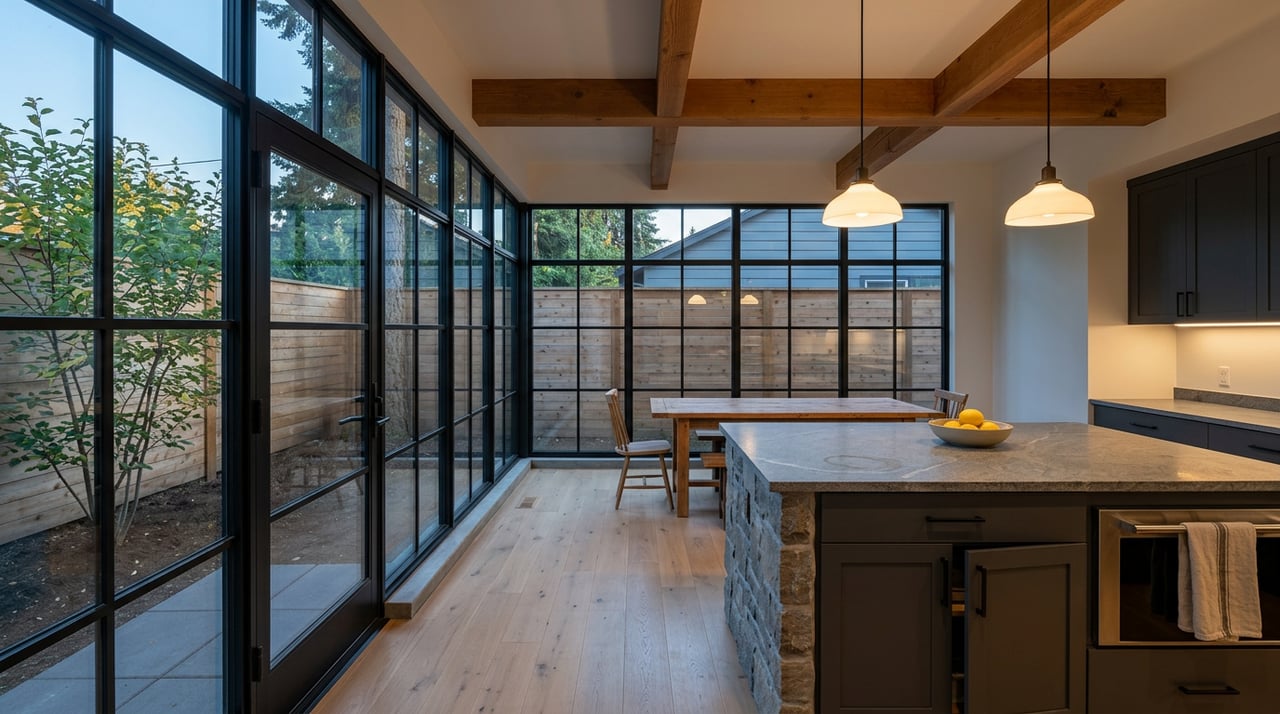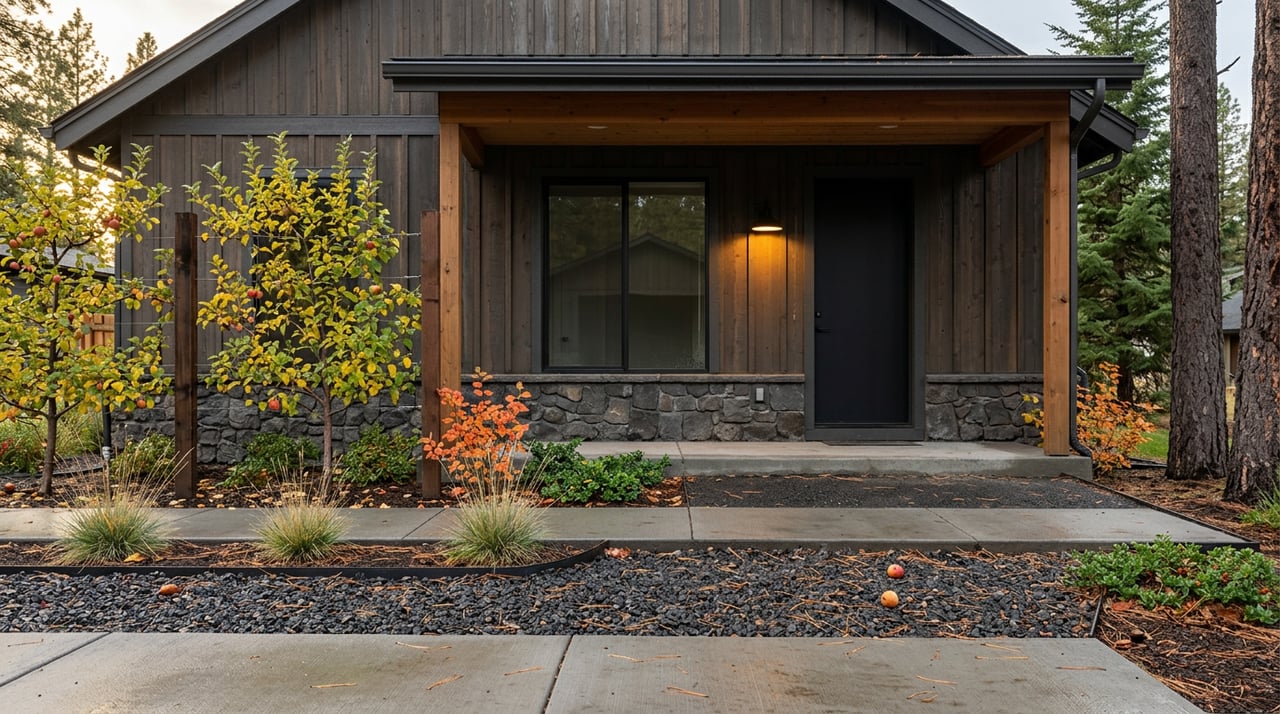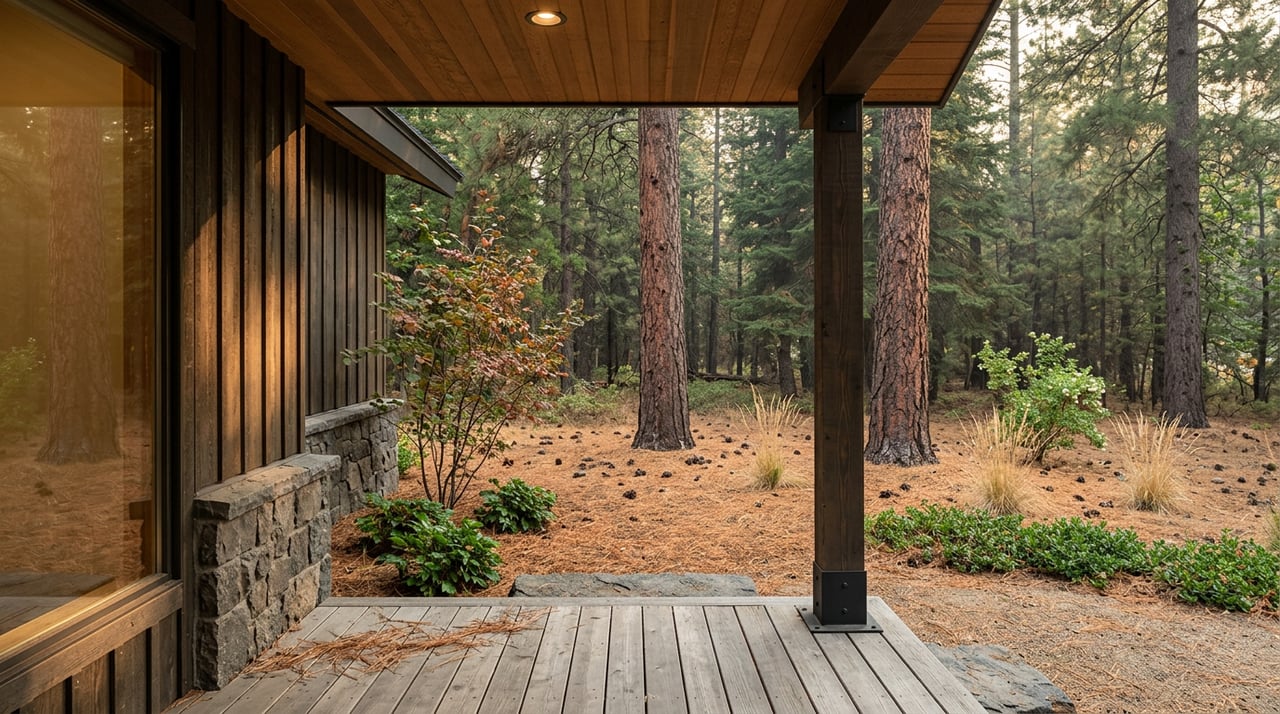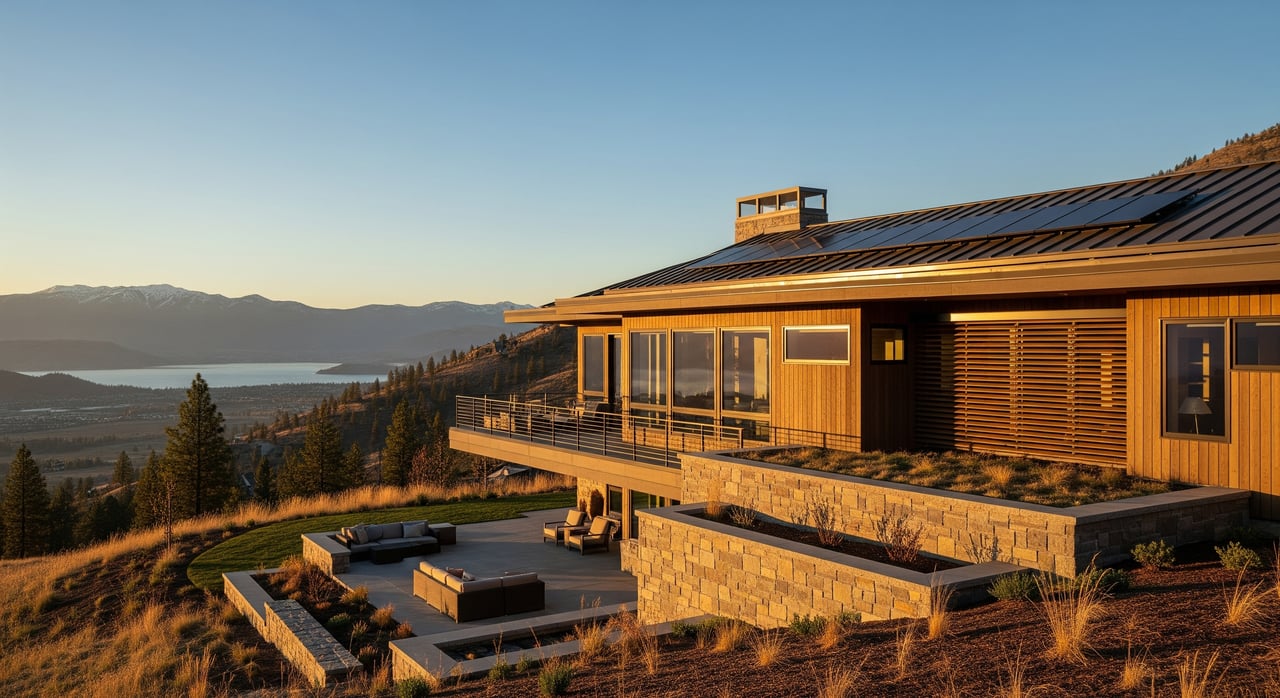
Winter in the Wenatchee Valley can flip from sunny and dry to icy and sub‑freezing in a day. If you own or want to buy a mountain home here, you know those swings can challenge comfort, safety, and utility budgets. The good news is that a few energy‑smart choices go a long way in our climate. In this guide, you’ll learn which upgrades matter most in Wenatchee and Chelan, how to spot them during a showing, and where sellers get the best return before listing. Let’s dive in.
Why energy‑smart matters in Wenatchee
Wenatchee’s mountain‑valley setting brings cold, snowy winters, freeze–thaw cycles, and strong day‑night temperature swings. That combination stresses roofs, windows, and heating systems. It also makes airtightness and insulation critical for comfort and to prevent ice dams.
Snow loads and wind patterns can shape how snow drifts on your lot and how air leaks show up inside. South‑facing sun can help warm living spaces in winter when windows and shades are chosen well. Choosing systems that perform in low temperatures and detailing the building envelope carefully will keep you comfortable and resilient during cold snaps.
Build a tight, warm envelope
Insulation and air sealing priorities
In our climate, the most cost‑effective comfort comes from stopping heat loss and drafts. Focus on continuous insulation at the roof and walls to reduce thermal bridging. In vented attics, combine high insulation levels with clear eave‑to‑ridge ventilation to keep roof sheathing cold. In unvented assemblies, use a well‑sealed, well‑insulated design with appropriate vapor control.
Air sealing delivers big returns for the cost. Target top plates, rim joists, window and door rough openings, and any plumbing or vent penetrations. Don’t overlook the garage‑to‑house connection. These steps cut heat loss, reduce ice‑dam risk, and make every heating system work better.
Crawlspaces and foundations
Cold floors and crawlspace moisture are common in mountain homes. Insulate and air‑seal rim joists, and consider conditioning the crawlspace to stabilize humidity and temperature. Foundations must respect frost depth and potential heave; proper insulation around slabs improves comfort and protects the structure.
Windows and doors that perform
In cold climates like Wenatchee, the key metrics are U‑factor, solar heat gain coefficient (SHGC), visible transmittance, and air leakage rating. Look for low U‑factor glass to reduce heat loss. Moderate SHGC on south‑facing windows can capture welcome winter sun, while east and west glazing benefits from summer shading.
Double‑pane low‑E with argon is a solid, cost‑effective upgrade. Triple‑pane units bring warmer interior glass and less condensation, which helps on very cold exposures or large glass areas. Thermally broken fiberglass, vinyl, or wood‑clad frames outperform unbroken metal frames.
Installation quality matters as much as the glass. Proper flashing, insulated jambs, and meticulous air sealing around openings keep the performance you paid for.
Repair or replace: smart seller choices
If existing windows are drafty but frames are sound, weatherstripping, sash repair, and adding storm panels can deliver quick comfort at lower cost. If you have large single‑pane areas or failing frames, higher‑performance replacements improve livability and market appeal. When you list, highlight U‑factor and the orientation strategy so buyers understand the value.
Heat and ventilate for cold snaps
Cold‑climate heat pumps
Modern cold‑climate air‑source heat pumps perform efficiently even when temperatures drop below freezing. With proper sizing and a well‑sealed envelope, they can serve as a primary heat source in many Pacific Northwest mountain homes. They also reduce operating costs compared with electric resistance and support electrification goals.
If your home’s heat loss is high or you see frequent outages, plan for a backup strategy. That could include electric resistance backup, a propane heater, or a supplemental stove, paired with smart controls that prevent short cycling.
Hydronic systems and geothermal
Condensing boilers with radiant floors offer steady comfort and fit the rural fuel mix where natural gas, propane, or electric boilers are common. Ground‑source heat pumps deliver excellent efficiency and stable performance, although they require higher upfront investment and site‑appropriate geology.
Wood and pellet stoves
Many mountain homes use wood or pellet stoves for supplemental heat and resilience during outages. Proper installation, clearances, and adherence to local emissions and air‑quality rules are essential. Keep service records and chimney inspections up to date.
Ventilation and indoor air quality
As you tighten the envelope, plan balanced ventilation. Heat recovery (HRV) or energy recovery (ERV) systems bring in fresh air while recovering heat and stabilizing indoor humidity. Right‑sized bath and kitchen exhaust fans help manage moisture during showers and cooking.
Efficient hot water
Heat pump water heaters offer high efficiency for domestic hot water. Where gas is available, tankless or condensing gas units are common. Insulate hot water piping and use recirculation controls to reduce wait times and waste.
Smart controls and zoning
Smart thermostats, zoning, and outdoor reset controls on hydronic systems boost comfort and cut runtime. If you combine a heat pump with a wood or pellet stove, ensure controls and settings keep the primary system from short cycling when the stove is running.
Roofs, snow, and site design
Roof forms and materials
Steeper roofs shed snow more readily, while low‑slope roofs need careful drainage and higher snow‑load design. Metal roofing sheds snow efficiently and can reduce accumulation at eaves. Plan for snow fences or guards above walkways, decks, and garage doors to prevent sudden slides.
Proper underlayment matters. An ice‑and‑water shield at eaves, rakes, and valleys helps prevent leaks when freeze–thaw conditions create meltwater.
Prevent ice dams
Ice dams form when warm roof areas melt snow that refreezes at cold eaves. Prevention starts with airtight ceilings and continuous roof insulation that keeps the sheathing cold. In vented assemblies, combine thorough air sealing with balanced eave‑to‑ridge ventilation. Heated roof edges or heat trace can be a secondary measure where risk is high, but they are not a substitute for a well‑built assembly.
Snow retention and safe access
Snow guards and engineered retention above entries and decks protect people and reduce shock loads from sliding snow. Covered or recessed porches keep thresholds clear. Design driveways for plowing with wider turnouts, durable surfaces, and clear access for equipment. Consider snow‑melt systems only for high‑amenity properties and budget for energy use.
Drainage and spring thaw
Plan site drainage for rapid spring melt so water moves away from foundations and crawlspaces. Maintain gutters and downspouts with adequate slope and protection. Good grading and discharge paths reduce moisture risk indoors.
Solar and passive strategies
South‑facing glass combined with thermal mass can add passive winter warmth. Photovoltaic panels can work well in our sunny winter conditions when tilt and snow‑shedding are considered in the design.
Seller priorities that show well
Low‑cost, high‑impact
- Air seal and top up attic insulation if levels are shallow.
- Service heating equipment and schedule a chimney inspection if you have a wood or pellet stove.
- Weatherstrip doors and tune windows to eliminate drafts.
- Organize documentation: dates of upgrades, warranties, and a year of utility bills to help buyers estimate operating costs.
Medium‑cost with strong appeal
- Replace very old or single‑pane windows on key façades with insulated units and highlight the U‑factor.
- Install or upgrade a cold‑climate heat pump as primary or supplemental heat and keep records of permits or rebates.
- Add an HRV or ERV where the home is tight or indoor air quality is a concern.
Higher‑cost, investment‑grade
- Add exterior continuous insulation during siding projects for a step‑change in comfort and efficiency.
- Replace the entire mechanical system or consider geothermal where the site supports it.
- Re‑roof with metal and include engineered snow‑retention systems if a major roof project is needed.
Buyer checklist for winter‑ready homes
Use this quick list during showings and inspections:
- Envelope and moisture
- Look in the attic for consistent insulation and any signs of heat loss or staining that suggest past ice dams.
- Check for drafts at windows and doors and note cold floor areas.
- Inspect crawlspace or basement insulation and moisture control.
- Heating and resiliency
- Identify the heating system type, age, and service records; ask heat pump owners about low‑temperature performance.
- Confirm any backup heat source, permitting, and venting.
- Look for balanced ventilation systems like HRVs or ERVs.
- Roof and snow management
- Note roof age and material, presence of ice‑and‑water shield, gutter condition, and snow guards above entries and decks.
- Evaluate driveway grade and space for plowing and de‑icing.
- Utilities and energy costs
- Request at least a year of utility bills to understand seasonal swings.
- Clarify fuel availability, delivery logistics for propane, and any on‑site tanks.
- Documentation
- Ask for permits and records of upgrades, chimney certifications, and any combustion safety testing.
Incentives, permits, and next steps
Local, state, and federal incentives can improve project payback, but programs change. Check current offerings from Chelan County PUD for weatherization and heat pump rebates, and review state and federal efficiency and clean‑energy tax incentives before budgeting. Major mechanical or structural work typically requires permits and inspections through the City of Wenatchee or Chelan County. A professional home energy audit, including a blower door test and infrared scan, is a powerful first step to prioritize your project list and may be required for some rebates.
Work with a local team who gets winter
Choosing the right upgrades in a mountain home is part science and part lived experience. You deserve guidance from people who understand our winters, snow loads, and how buyers value comfort features. If you are planning to buy, we help you read a home’s winter performance during showings. If you are listing, we help you prioritize improvements and present them clearly so they resonate with lifestyle‑minded buyers.
Ready to talk through your property or next purchase in Wenatchee or Chelan? Connect with Lynn Stoddard for local insight, planning support, and access to our instant valuation tool.
FAQs
What window specs should Wenatchee buyers look for?
- Prioritize a low U‑factor for insulation, moderate SHGC on south‑facing glass for winter sun, and high‑quality installation with proper air sealing and flashing.
Are heat pumps reliable below freezing in Wenatchee’s winters?
- Yes, modern cold‑climate air‑source heat pumps are designed to perform efficiently at sub‑freezing temperatures when correctly sized and installed.
How can sellers budget energy upgrades before listing a mountain home?
- Start with low‑cost air sealing and attic insulation, then consider mid‑tier window replacements and a cold‑climate heat pump, saving roof and full mechanical overhauls for larger projects.
What roof features help prevent ice dams in snowy conditions?
- Airtight ceilings, continuous roof insulation, balanced attic ventilation in vented roofs, and ice‑and‑water shield at eaves and valleys reduce ice‑dam risk.
Where can Chelan County owners find rebates for efficiency upgrades?
- Check current programs through the local public utility district and review state and federal incentives, since offerings and eligibility change over time.
Do I need a backup heat source in a mountain home?
- A backup heat option improves resiliency during outages, with choices like auxiliary electric, propane, or a properly installed wood or pellet stove paired with smart controls.