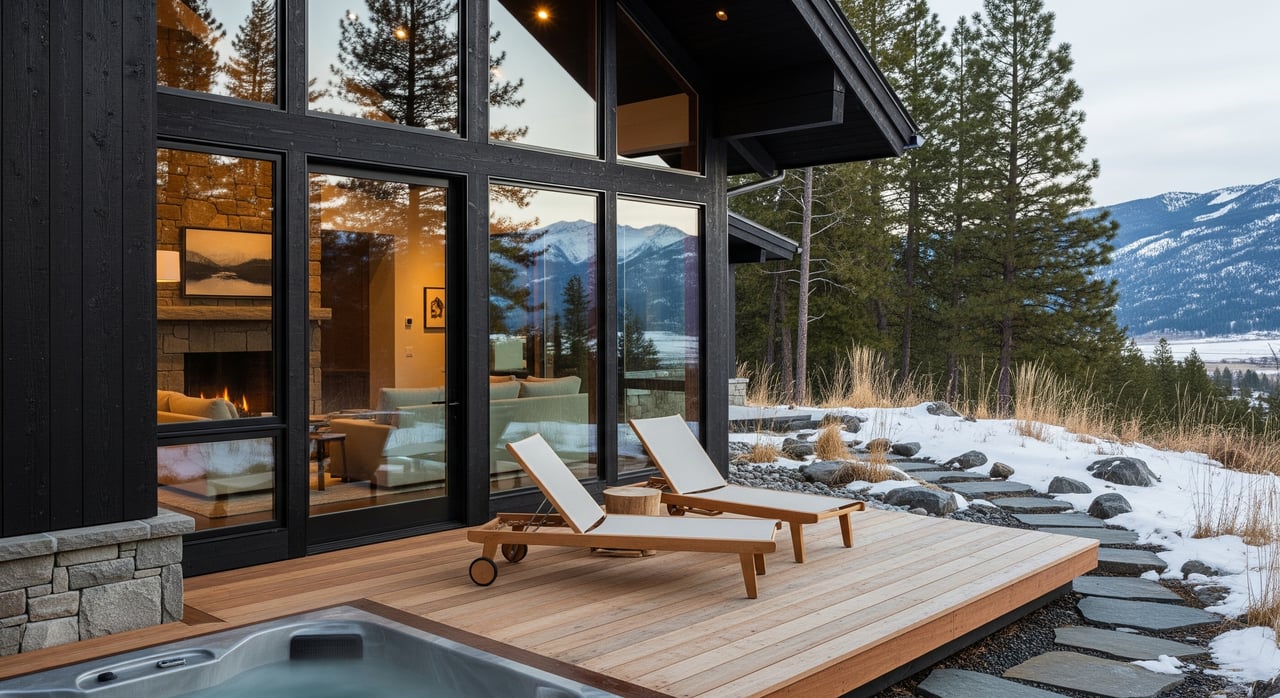
Thinking about a cozy cabin near Leavenworth for weekends and snow days? You are not alone. Many Puget Sound buyers want the mountain lifestyle but are surprised by how different a cabin purchase is from a suburban home. In this guide, you will learn what to check for access, wells and septic, insurance, lending, and timelines so you can buy with confidence. Let’s dive in.
Key differences to expect
Winter access and roads
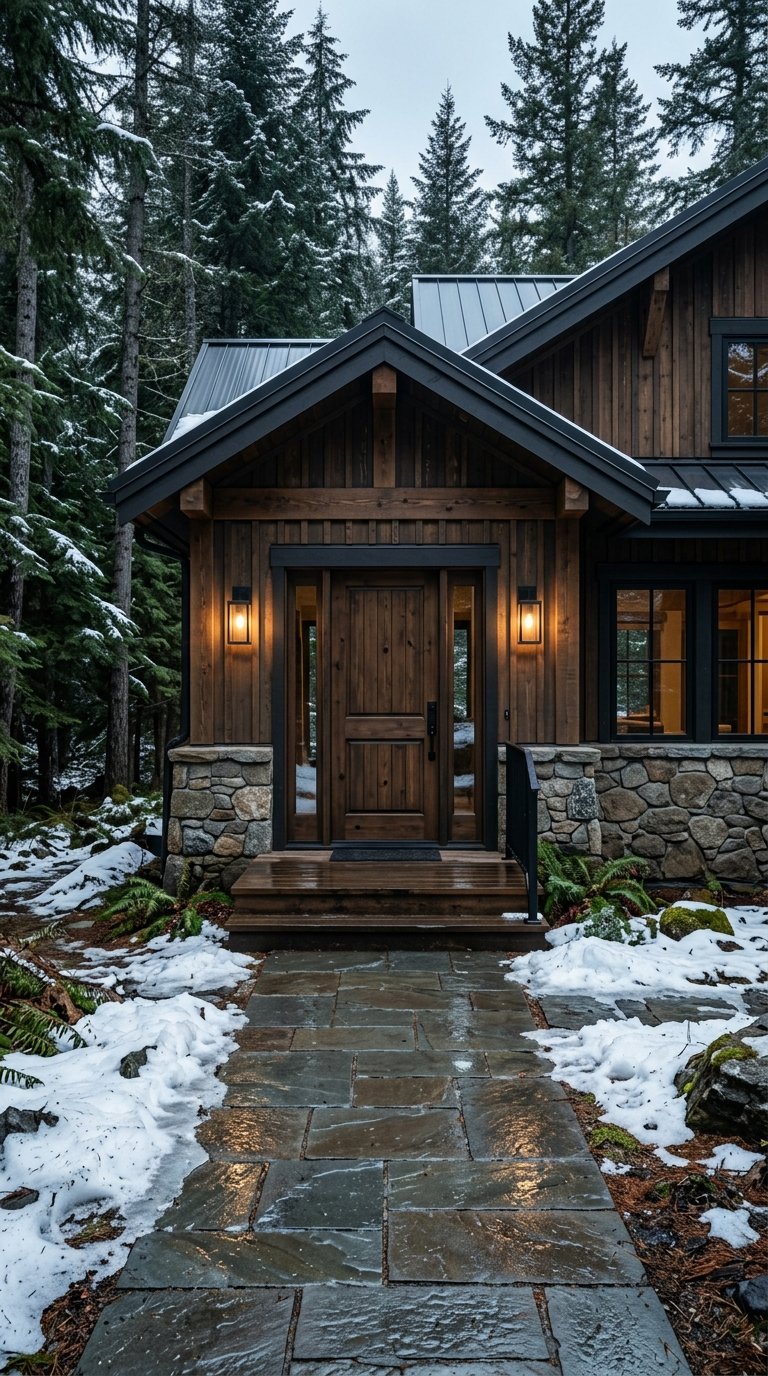
In the mountains, access can change with the seasons. Some cabins sit on county roads that get plowed, while others depend on private road associations or individual plow contractors. You need to confirm legal year‑round vehicular access on the deed and get written details on who maintains the road, how often it is plowed, and how costs are shared. Steep driveways also require space for snow storage and turnarounds, and you may need AWD or 4WD and chains in winter.
Utilities and reliability
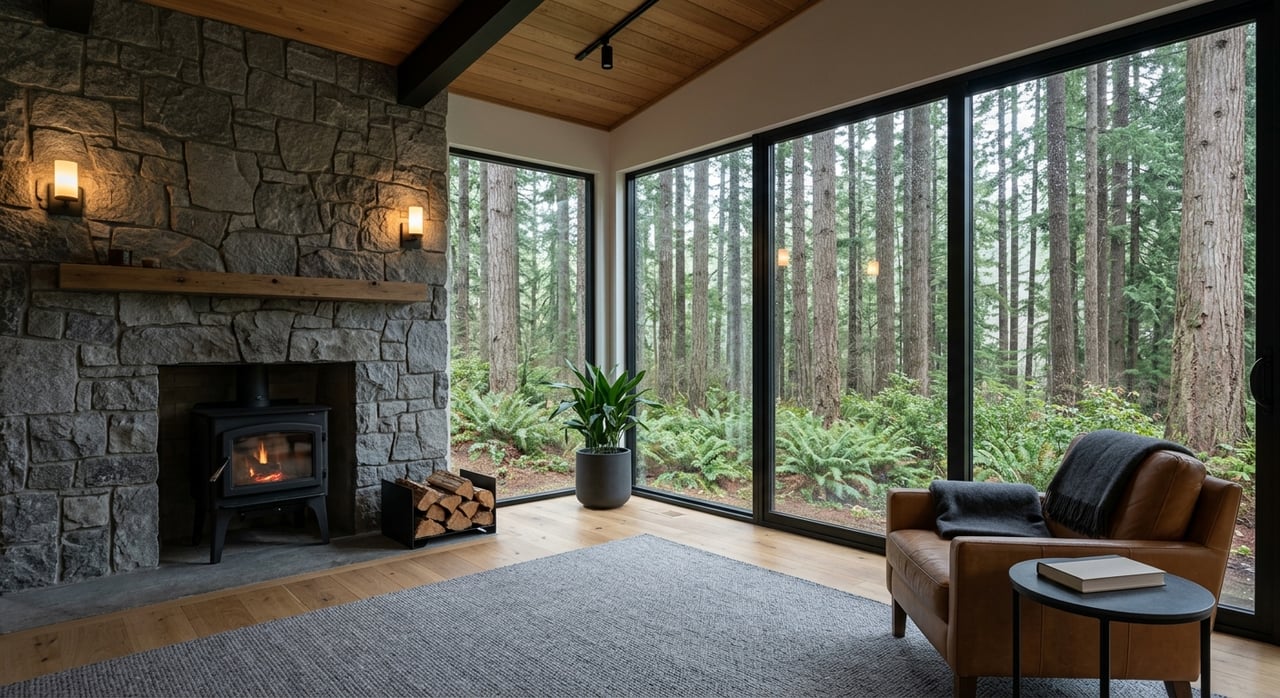
Power outages are more common in stormy weather. Many owners install generators, transfer switches, or battery backups to keep essentials running. Heat sources often include woodstoves and propane, so make sure deliveries are feasible in snow season and that tanks are sited correctly. Most cabins use wells and septic systems, which means testing water quality, confirming well yield, and inspecting the septic system are more important than in town.
Land and site
Mountain sites can be steep and sensitive. Slopes, soils, drainage, and erosion all affect building plans and may trigger critical area rules or mitigation. Wildfire risk is part of life in Chelan County, so defensible space and ember‑resistant features are key for safety and insurance. Easements for access, utilities, and water rights are also common and must be verified in title.
HOA and community rules
Private road or recreational owner associations often handle plowing and maintenance. Covenants can guide exterior materials, defensible space, driveway standards, and guest rental rules. If you plan to remodel or add on, design review boards may require specific materials or a set approval process that can affect timing.
Financing and insurance
Second‑home loans usually require stronger credit, larger down payments, and more cash reserves than primary residences. Appraisals can take longer when comparable sales are limited. Insurance is another variable. Wildfire exposure, access for firefighting, and woodstoves can affect availability and premiums, and some carriers require mitigation steps before binding coverage.
Your showing checklist
Use this quick list when you tour cabins, especially if you are driving over from Puget Sound:
- Vehicle and gear: AWD/4WD, chains, waterproof boots, gloves, and a flashlight.
- Access proof: printed directions, confirmation of legal access, and any HOA contact details.
- Winter reality check: driveway grade, snow storage areas, and turnaround space for plows.
- Systems test: run water at several fixtures, note pressure, ask about well depth and yield; confirm septic age and any recent pump or inspection records.
- Heat and power: identify heating sources, look for a generator or transfer switch, and note chimney/woodstove conditions.
- Connectivity: test cell signal in multiple spots and ask what internet options are typical.
- Site and safety: walk the perimeter for drainage, slope stability, tree spacing, and wildfire defensible space.
- Questions to ask: who plows the road and at what frequency, typical costs, insurance history, any HOA design or rental restrictions, and emergency access in winter.
Due diligence checklist
Access and roads
- Confirm recorded legal access on the deed and whether it is public, private, or via easement.
- Get written details for road maintenance and plowing: who, how often, costs, and past winter performance.
- Inspect driveway slope, snow storage, and plow turnaround. Ask about emergency vehicle access in winter.
Utilities and systems
- Obtain well records: depth, yield, pump tests, and recent water quality results.
- Gather septic install permits, pump history, and the most recent inspection; plan a professional evaluation if the system is older.
- Confirm the power provider and typical outage patterns; note proximity to overhead lines.
- Identify heating systems and the age/condition of any woodstove and chimney.
- Check actual internet and cell coverage during your visit.
Inspections and specialties
- Schedule a standard home inspection plus well yield testing, septic inspection or certification, chimney inspection, and roof evaluation for snow load.
- For steep or unique sites, consider a slope, drainage, or geotechnical review.
- Evaluate wildfire risk and defensible space, including tree spacing and fuel ladders.
Title, easements, and surveys
- Review title for access and utility easements and for any covenants.
- Order a current survey if boundaries or access are unclear.
- For private roads, obtain the written road maintenance agreement and budget.
HOA and local rules
- Request association governing documents, budgets, reserve studies, meeting minutes, and special assessment history.
- Confirm design review requirements, building envelopes, setbacks, and any short‑term rental restrictions.
- Verify annual dues and how winter services are funded.
Permitting and future work
- Check county requirements for building, wells, and septic if you plan to remodel or expand; mountain projects often need engineered plans or geotech studies.
- Identify any critical areas, streams, or shoreline rules that could limit future changes.
Insurance and emergency services
- Get early insurance quotes, especially for wildfire exposure, access considerations, and woodstoves.
- Confirm local fire district coverage and whether the property is in a protected response area.
- Ask about ambulance and law enforcement response times for the specific address.
If you want a quick game plan tailored to your goals, schedule a brief discovery chat with Lynn Stoddard to discuss neighborhoods, access patterns, and a punch‑list for your search.
Financing, insurance, and rentals
Second‑home lending basics
Most buyers use conventional or jumbo loans for second homes. Expect larger down payments, stronger reserves, and more documentation than a primary residence. Appraisals can take longer in mountain markets because comparable sales are limited, so build in extra time.
Insurance considerations
Wildfire exposure can affect pricing and availability. Insurers may require defensible space, ember‑resistant vents, or higher deductibles. If the cabin is near a river or stream, ask about flood risk and whether a separate flood policy is advisable. Start quotes early so coverage does not delay closing.
Taxes and short‑term rentals
If you plan to rent, verify all rules before you rely on income. Check association covenants and local city or county requirements for short‑term rentals, including licensing and lodging taxes. Owners who operate rentals are generally responsible for collecting and remitting state and local taxes. Always confirm current rules with the proper agencies before moving forward.
Timeline and seasonal planning
Mountain transactions often run longer than suburban deals. Plan for 45 to 60 days from offer to close to allow for well and septic certifications, specialty inspections, and appraisals. Inspection windows may need extra days for pump tests and scheduling septic professionals. If you want to remodel soon after closing, account for county permits and the busy summer contractor season.
Season matters. A winter visit shows you the true access and snow load realities. If you close in late fall or winter, consider whether deliveries, fuel refills, and contractor access are practical right away.
Risks and deal killers
- No recorded year‑round access or unclear easement language.
- Low or unreliable well yield or water quality that is difficult to fix.
- Failing or noncompliant septic systems with limited replacement options.
- Insurance that is unavailable or unaffordable due to wildfire exposure and access.
- Large or unexpected HOA special assessments or unclear road obligations.
- Unpermitted additions that affect underwriting and insurability.
Who to contact early
- Local mortgage broker experienced with second‑home and mountain loans.
- Insurance broker who understands wildfire, access, and woodstove underwriting.
- Licensed well and septic inspectors for pump tests and certifications.
- Title officer to review easements, covenants, and boundary questions.
- HOA or road association representatives for plow and maintenance details.
- County planning, building, and health departments for permits and records.
- A geotechnical engineer if the site is steep or has stability concerns.
Ready to turn your Leavenworth cabin plan into a clear, step‑by‑step path? For calm guidance, local insight, and help coordinating the right specialists, connect with Lynn Stoddard.
FAQs
What should I verify about winter access to a Leavenworth cabin?
- Confirm recorded year‑round access on the deed, get written plow and maintenance details, and visit in winter or speak with neighbors about past conditions.
How do I check a private well and septic before I buy?
- Obtain well logs, pump tests, and recent water quality results, and schedule a septic inspection or certification with records from local health authorities.
Can I use a second‑home loan for a Leavenworth cabin?
- Most second‑home buyers use conventional or jumbo loans, expect larger down payments and reserves, and allow extra time for appraisal and underwriting.
Will wildfire risk affect my homeowners insurance?
- It can; insurers may require defensible space or specific features and may apply higher deductibles, so start quotes early and plan for mitigation steps.
What if I want to rent my cabin short‑term?
- Verify HOA rules and the latest city or county short‑term rental requirements and taxes before relying on rental income or advertising the property.
How long does it take to close on a mountain cabin?
- Plan for 45 to 60 days to allow for specialty inspections, appraisal scheduling, association approvals, and lender underwriting.