Wondering what it’s really like to live on the East Wenatchee plateau? If you want more room, open skies, and easy access to the Wenatchee Valley, this part of East Wenatchee offers a lifestyle that feels connected without feeling crowded. Here’s what you should know about the plateau’s setting, housing, daily convenience, and recreation before you make a move. Let’s dive in.
East Wenatchee Plateau Feel
Living on the East Wenatchee plateau often means trading a little density for more sunlight, wider views, and a more residential feel. East Wenatchee sits directly across the Columbia River from Wenatchee, and the two communities share many commuters and visitors each day. That gives the plateau a connected, cross-river lifestyle rather than a fully separate small town feel.
The broader urban area also extends beyond city limits into nearby unincorporated land. In daily life, that can make the plateau feel like one housing market even when neighborhoods fall under different street patterns or jurisdictions. For buyers, that usually means your home search may include several nearby areas that feel similar in pace and layout.
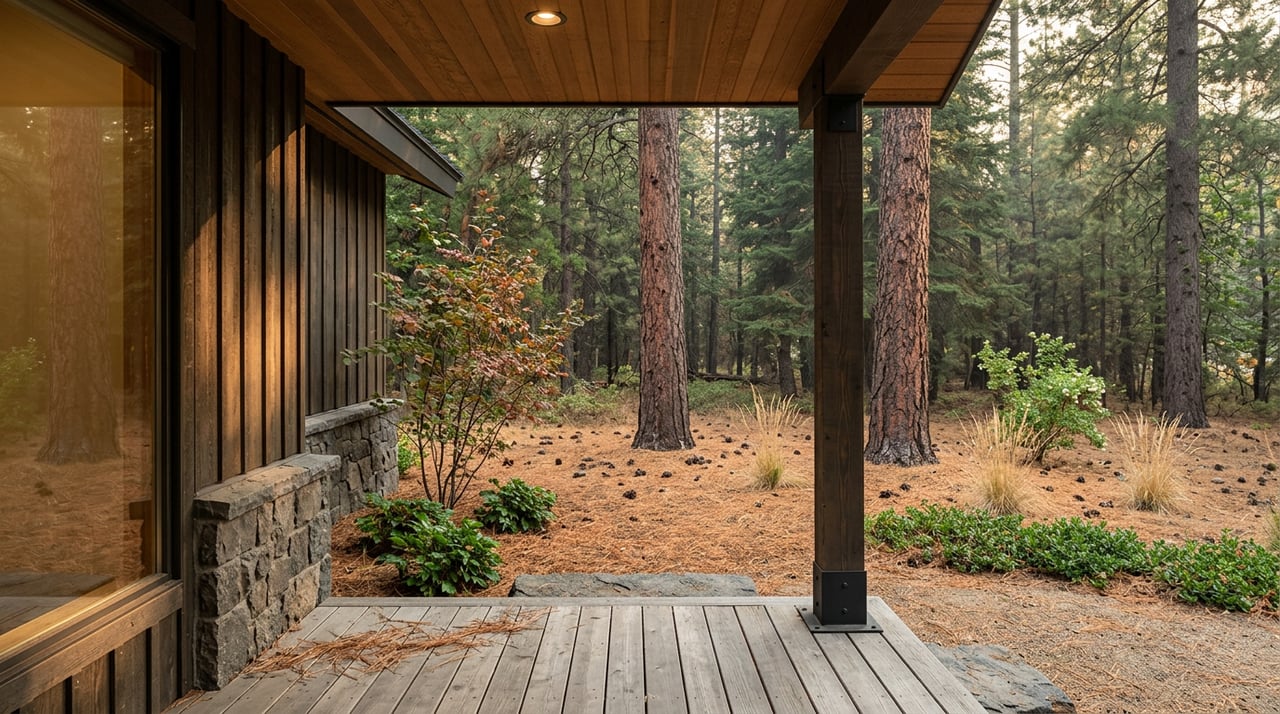
The natural setting shapes a lot of the appeal. Local planning documents describe the Wenatchee Valley as a series of benches formed by the Columbia River and nearby drainages, with hillsides and overlooks that create dramatic scenery. The result is an open, bright, and dry environment that feels very different from greener, more forested parts of Washington.
East Wenatchee also sees roughly 300 sunny days per year, which is a big part of the lifestyle draw. At the same time, the city’s planning work highlights heat, drought, wildfire, and smoke as real concerns in the region. If you’re considering a move here, it helps to think about both the beauty of the climate and the practical realities that come with it.
Views Shape Daily Life
One of the clearest reasons people are drawn to the plateau is the view potential. Public planning sources point to overlook areas like Pangborn-Herndon Memorial Park in Fancher Heights, known for broad west-facing views across the Wenatchee Valley and the Columbia River. That same sense of elevation carries into many residential streets and homes on the plateau.
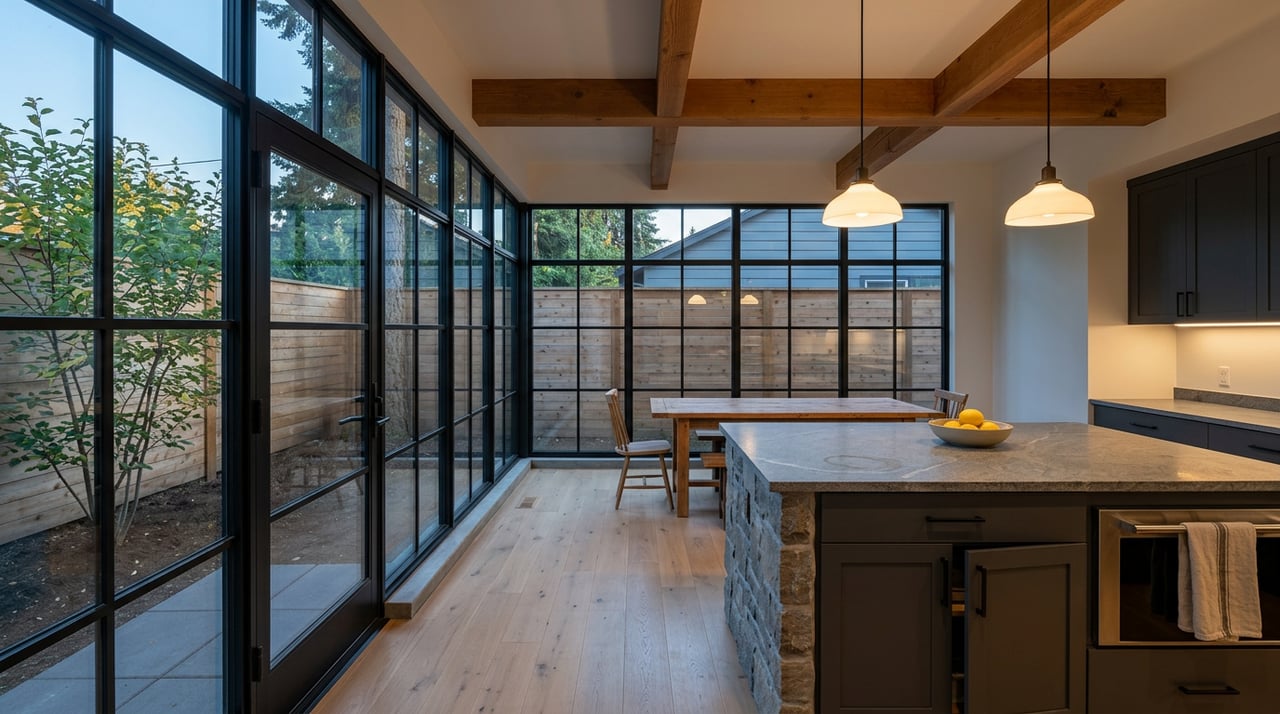
In practical terms, the scenery often feels built into everyday living. You may notice neighborhood layouts, backyards, and windows that take advantage of open sightlines rather than focusing only on the street. For many buyers, that combination of residential space and valley views is a major part of the plateau’s appeal.
Housing on the Plateau
East Wenatchee remains a predominantly single-family market. The city’s 2025 comprehensive plan is built around an 83% single-family and 17% multifamily target, and single-family plus manufactured homes account for 69% of housing within the city. That supports the idea of the plateau as a mostly yard-oriented, low-density place to live.
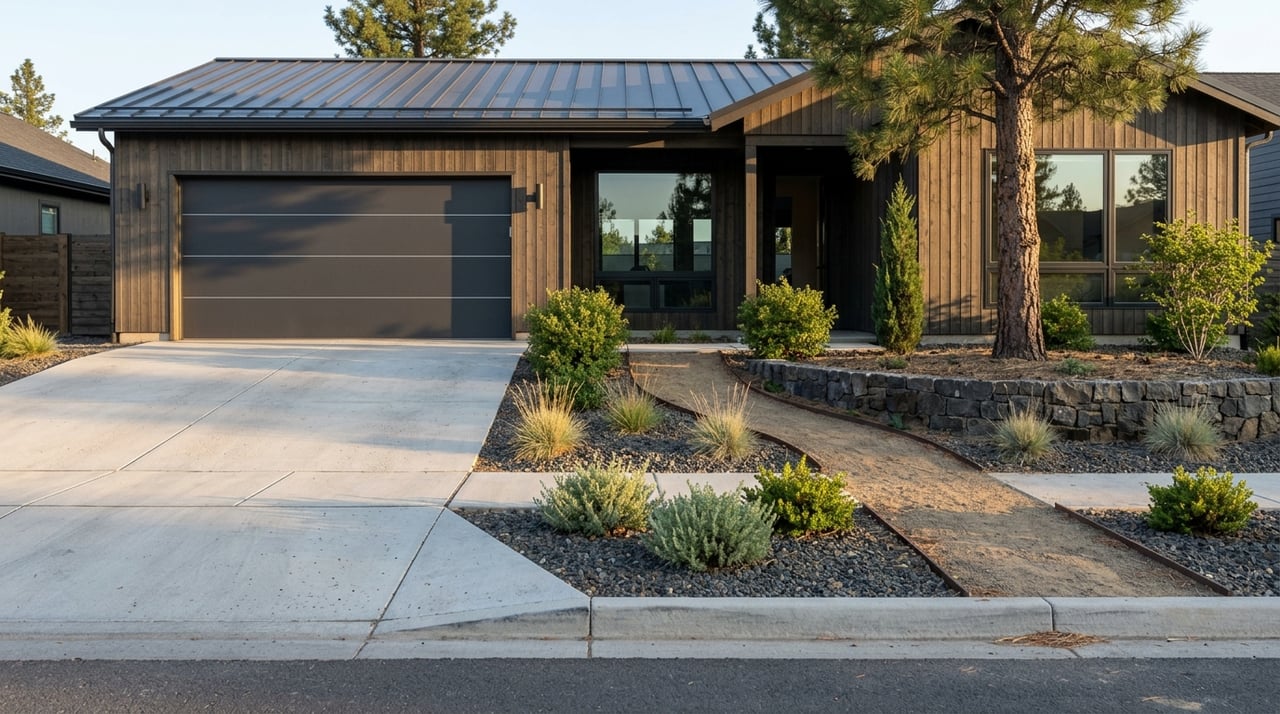
You can also see that pattern in the city’s land-use framework. Residential low-density acreage makes up about 69.7% of the mapped total, and low-residential land allows up to 8 dwelling units per acre. For buyers, that usually translates into neighborhoods that feel more suburban than urban, with detached homes still shaping most of the streetscape.
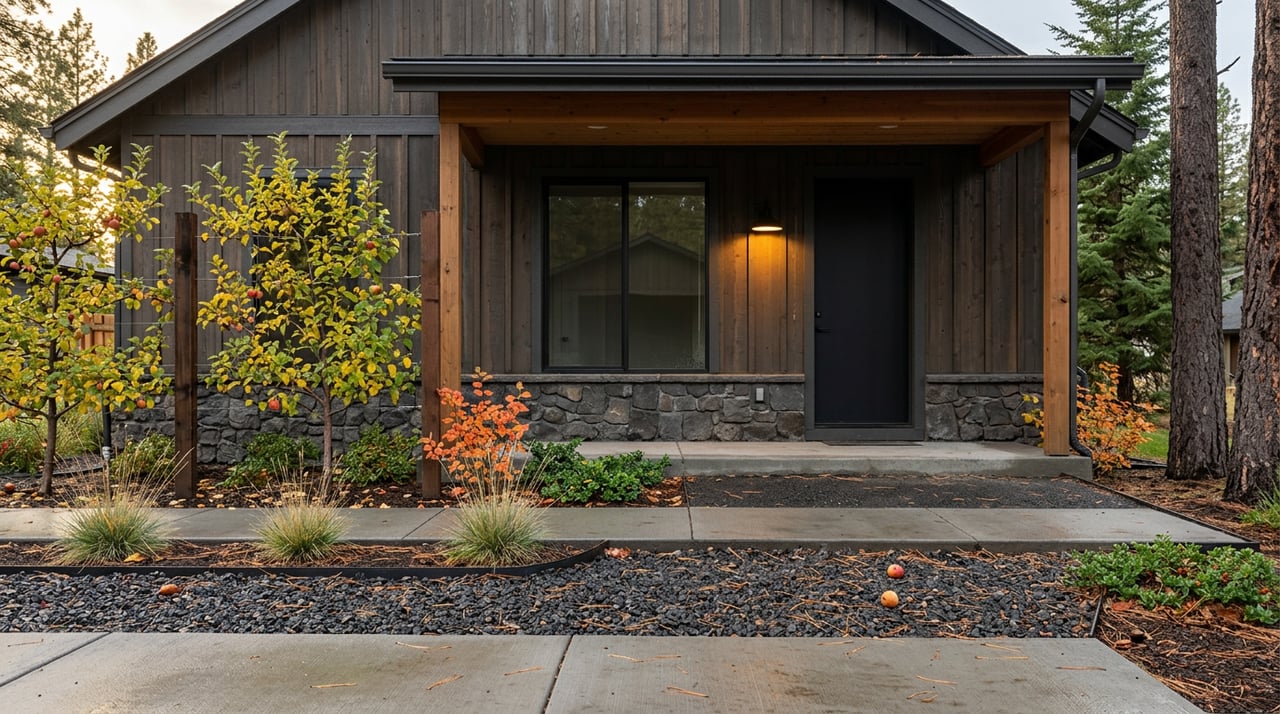
Traditional lot patterns are part of that story. The city’s low-density code update lists a minimum single-family lot area of 5,000 square feet, with a 50-foot minimum width and 80-foot minimum depth. That gives many parts of the plateau a familiar neighborhood feel with room for yards, parking, and outdoor use.
Housing Is Evolving
While the plateau still feels largely single-family, it is not standing still. East Wenatchee now allows more flexible use of residential parcels, including up to two accessory dwelling units on qualifying lots, with each ADU allowed up to 1,200 square feet if setback and lot-coverage standards are met. That adds options for multigenerational living, guest space, or future flexibility.
The city is also broadening the housing types it allows. Planning materials show support for duplexes, triplexes, fourplexes, townhouses, cottage housing, courtyard housing, and other middle-housing forms in certain contexts. Recent code updates lowered minimum lot sizes, increased maximum densities, raised lot coverage, and added duplexes and triplexes in single-family districts.
That matters if you are trying to picture the plateau long term. Today, it still reads as a low-density residential area, but over time you may see more infill and a wider mix of housing choices. The city’s planning work also projects 5,377 additional housing units in the urban growth area by 2050, which points to continued growth rather than a frozen-in-time neighborhood pattern.
Errands and Shopping Access
One of the plateau’s biggest strengths is convenience. East Wenatchee’s commercial core is centered along Valley Mall Parkway and Grant Road, and the city identifies that area as its Central Business District. This corridor remains a major focus for retail, food service, entertainment, and civic activity.
For everyday errands, the plateau can feel more self-contained than many people expect. Wenatchee Valley Mall serves as a major regional retail anchor on the east side of the river, with more than forty stores serving North Central Washington. That means you can often take care of shopping and basic needs without heading across the bridge into Wenatchee.
This balance is a big lifestyle advantage. You get a more open residential setting while still having easy access to shopping and services nearby. For many households, that makes the plateau feel practical as well as scenic.
Commuting Into Wenatchee
If you work, shop, or spend time in Wenatchee, East Wenatchee stays closely connected. The two cities sit opposite each other on the Columbia River, so the distance is short, even though travel is shaped by the SR 28 and bridge corridors. In other words, East Wenatchee feels close to Wenatchee without feeling identical to it.
Transit adds another layer of convenience. The East Wenatchee Park and Ride is located at SR 28 and 3rd Street SE, and Link Transit Route 2 serves the area. Current schedules show about 4 to 5 minutes to Wenatchee Valley Mall and about 6 minutes to Columbia Station from the park and ride.
That may appeal to buyers who want options beyond car-only living. Even if you drive most days, it is helpful to know that some errands and cross-river trips can be handled quickly by transit. For a connected low-density community, that is a meaningful advantage.
Parks and Outdoor Access
The plateau offers more than views and housing space. It also connects well to parks and regional recreation, which is a major part of daily life in the Wenatchee Valley. If you value being outside, East Wenatchee gives you access to both neighborhood green space and larger trail systems.
One of the strongest assets is the Apple Capital Recreation Loop Trail. Wenatchee city documents describe it as a 10-mile paved trail used for both commuting and recreation, crossing the Columbia River twice and the Wenatchee River once. Eastmont Metro Parks manages about 5 miles of the east side, from Hydro Park to the Odabashian Bridge.
That kind of trail access can shape how you use the area every week. It supports walking, biking, and casual outdoor time while connecting the east side to riverfront destinations and other parts of the valley. For many buyers, it adds to the sense that the plateau is residential but still highly connected.
Neighborhood Parks and Open Space
In addition to the loop trail, East Wenatchee has several well-known public parks that support day-to-day living. Eastmont Community Park, Tedford Park, Kenroy Park, and Pangborn-Herndon Memorial Park are among the key spaces identified in local park materials. Each contributes to the plateau’s open, accessible feel.
Pangborn-Herndon stands out for its role as a viewpoint, while the broader park system helps balance residential growth with public outdoor space. If you are looking for a home base that feels quieter but still offers visible access to parks, this is one of the plateau’s stronger lifestyle features.
Access to Mountain Recreation
East Wenatchee also sits in a strong position for buyers who want both valley convenience and access to bigger recreation destinations. Mission Ridge, a major year-round recreation area in the Wenatchee Valley, offers skiing, summer mountain access, dining, lessons, and events. It is also known for broad views back across the valley.
That nearby access matters for lifestyle-oriented buyers. If you want your home to support both everyday routines and weekend recreation, the plateau can offer a useful middle ground. You are close to shopping and commuter routes, but also well placed for mountain time.
Who the Plateau Tends to Fit
By the numbers, East Wenatchee appears slightly more owner-occupied and somewhat more suburban than Wenatchee. Census QuickFacts shows a 59.0% owner-occupied housing rate in East Wenatchee compared with 53.8% in Wenatchee. It also reports a 2025 population estimate of 14,330 in East Wenatchee versus 35,547 in Wenatchee, which supports the idea of a smaller, more residential community.
Commute patterns also reflect that layout. Census Reporter’s ACS profile shows a mean commute time of 20.0 minutes in East Wenatchee compared with 17.0 minutes in Wenatchee. That fits with a market defined by detached housing, yard-oriented blocks, and cross-river connections.
For many buyers, the plateau suits a few clear priorities:
- You want a mostly single-family residential setting
- You value views, sunlight, and a more open feel
- You want nearby shopping without giving up neighborhood space
- You need quick access to Wenatchee for work or errands
- You enjoy parks, trails, and mountain recreation
Eastmont School District serves the East Wenatchee urban area, which is also part of the daily-life equation for many households. If you are comparing East Wenatchee with denser parts of the valley, the plateau often stands out for its balance of convenience and breathing room.
Why the Plateau Stands Out
The East Wenatchee plateau is not just about being near Wenatchee. It offers its own identity, shaped by elevation, views, low-density neighborhoods, and access to both retail corridors and recreation. That combination makes it appealing if you want a home that feels residential and open while still staying tied to the energy of the larger valley.
For buyers who are drawn to lifestyle first, this area tells a clear story. You get connected living, fast access to a regional hub, and a setting where sunlight, scenery, and outdoor access are part of everyday life. If that sounds like the kind of move you’re considering, Lynn Stoddard can help you explore East Wenatchee with local insight and thoughtful guidance.
FAQs
What is the East Wenatchee plateau like for daily living?
- The East Wenatchee plateau generally feels open, sunny, and residential, with more detached housing, yard space, and valley views than denser parts of Wenatchee.
Is the East Wenatchee plateau close to Wenatchee?
- Yes. East Wenatchee sits directly across the Columbia River from Wenatchee, and the two communities share many commuters and daily visitors.
What types of homes are common on the East Wenatchee plateau?
- The area is still mostly single-family in character, though the city is gradually allowing more ADUs, duplexes, triplexes, townhouses, and other middle-housing types.
Are shopping and errands convenient in East Wenatchee?
- Yes. Many everyday errands can be handled on the plateau, especially around Valley Mall Parkway, Grant Road, and Wenatchee Valley Mall.
Does the East Wenatchee plateau have good park and trail access?
- Yes. The area connects to neighborhood parks and the Apple Capital Recreation Loop Trail, which supports both recreation and everyday mobility.
Who might enjoy living on the East Wenatchee plateau?
- Buyers who want views, a more open residential setting, quick access to Wenatchee, and strong access to parks and outdoor recreation often find the plateau appealing.