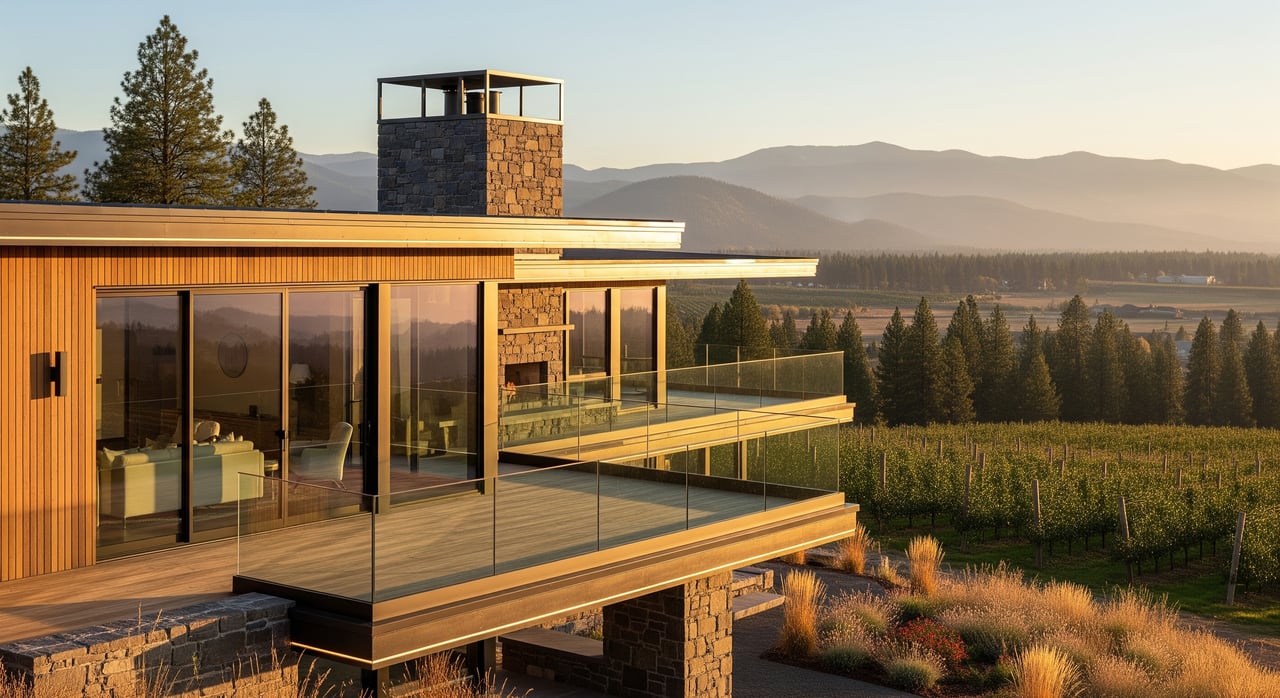
Thinking about a weekend place in Cashmere or a rental that helps cover costs, but not sure how it will be classified? You are not alone. In Washington, the rules for a second home versus an investment property can affect your loan options, insurance, taxes, and even which local permits you will need. This guide breaks down what matters most in Chelan County so you can choose the path that fits your goals with confidence. Let’s dive in.
Second home vs investment property
A second home is a property you use for personal stays but is not your primary residence. An investment property is owned mainly to generate rental income or appreciation, with little or no personal use. While that sounds simple, lenders, insurers, and tax authorities each have their own definitions. It is smart to confirm how your intended use will be treated before you write an offer.
Occupancy expectations from lenders
Lenders expect a true second home to be used primarily by you and your family for part of the year. Many conventional programs allow limited short-term rentals, but frequent or full-time rentals usually trigger investment classification. For investment loans, the property is underwritten as a rental and priced accordingly.
Taxes and treatment basics
Federal tax rules treat second homes and rentals differently. Mortgage interest on second homes can be deductible within standard limits, while rentals use Schedule E and allow depreciation along with other expense deductions. If you plan to rent short term, you may have state and local lodging tax obligations. Because tax outcomes depend on your use pattern and income, talk with a qualified tax advisor before you commit to a plan.
Short-term rentals in practice
If you plan to list on short-term platforms, expect more scrutiny from lenders and insurers. Many lenders view frequent short-term rentals as investment use. Standard homeowners policies often exclude business activity, so you will likely need a short-term rental endorsement or a landlord-type policy. Locally, you will also need to check city and county rules, licensing, and lodging tax collection requirements.
Financing differences in Washington
Your financing options depend on how the property will be used. The more a home looks like a rental business, the more the loan will be priced and documented like an investment.
Common loan types
- Second home: Conventional mortgages backed by major investors are most common. Requirements are stricter than for a primary home but more flexible than for rentals.
- Investment property: Conventional investor loans, portfolio programs, or DSCR loans that focus on rental income. These often accept different documentation but come with higher costs.
- FHA and VA: These are generally for primary residences and are not used for second homes or standard investment properties.
Down payments, rates, and reserves
- Down payment: Second homes often require about 10 to 20 percent down. Investment properties typically run 15 to 25 percent down for a single-unit rental, and more for multi-unit or portfolio loans.
- Rates and pricing: Second-home rates are usually modestly higher than primary residence rates. Investment loans are usually higher than second-home rates and include additional risk-based fees.
- Reserves: Lenders often require extra liquid reserves. Investment loans usually need more months of principal, interest, taxes, and insurance than second-home loans.
Actual requirements vary by lender, your credit profile, and property type. In smaller markets like Cashmere, lender overlays and appraisal hurdles can add complexity, so start the conversation early.
Documentation to expect
- Second home: Be ready to show your primary residence elsewhere, document your intent to use the home personally, and provide standard income and credit documents. If occasional rentals are planned, a lender may ask for details.
- Investment property: Expect to provide leases, rental history, or market rent analysis. Some programs underwrite based on projected rent rather than your personal income. Short-term rental plans may require additional documentation.
Insurance and risk in Chelan County
Insurance is different for personal-use homes versus rentals, and eastern Washington’s terrain adds its own considerations.
Policy types to know
- Homeowners policy for owner use: Works for a second home that is not rented often and is primarily for your personal stays. Ask about seasonal-use language and vacancy limits.
- Landlord or dwelling policies: Designed for long-term rentals, with coverage tailored to tenant-occupied risk and different liability needs.
- Short-term rental coverage: Frequent vacation rental activity usually requires a specific short-term rental endorsement or a commercial policy to cover guest injuries and business liability.
- Umbrella liability: Consider extra protection if you plan to host guests or if the property value is high.
Common requirements and exclusions
Many standard policies limit coverage if a home sits vacant beyond a set period. Insurers may require winterization, especially in mountain climates prone to freeze-thaw cycles. If you plan to rent, you will need coverage for business activity because a basic homeowners policy often excludes it.
Flood, wildfire, and seasonal hazards
Flood is not covered by a standard homeowners policy. If the property is in a mapped flood zone, your lender will require flood insurance from the National Flood Insurance Program or a private carrier. In Chelan County, wildfire exposure is a real factor. Some insurers may ask for defensible space or specific building features. Seasonal plumbing and roof issues are common for vacation homes, so build preventive maintenance into your plan.
Cashmere and Chelan County specifics
Cashmere sits near year-round recreation, orchards, the Wenatchee River, and the Leavenworth area. That draw makes second homes and vacation rentals appealing. At the same time, local rules and practical logistics matter if you intend to rent.
Local taxes and permits to check
- Real estate excise tax: Washington charges REET on sales, with county-level specifics. Verify current rates and any local add-ons with the Chelan County Treasurer or Assessor.
- Property taxes: Assessed values and levy rates drive your annual cost. The Chelan County Assessor can provide current estimates and tools.
- Lodging and sales tax: Short-term rentals usually require state sales tax collection and any local lodging or tourism taxes. Registration and business licensing may be required.
- Zoning and STR permits: City of Cashmere and Chelan County rules determine where short-term rentals are allowed and what standards apply. Confirm zoning, occupancy limits, parking, and nuisance rules before you buy.
Utilities, access, and rural due diligence
Some properties use wells and septic systems with inspection requirements during a sale. Seasonal access, snow removal, and road maintenance can affect both your personal use and guest access. Plan for winterization and check HOA or road maintenance agreements where applicable.
Lender and appraisal realities
In smaller markets, appraisers may have fewer comparable sales, especially for unique cabins or waterfront. That can influence appraised value and loan approval. Some lenders also set geographic overlays for wildfire or flood zones, which can affect pricing or documentation.
How to choose the right path
Use your personal goals to drive the classification and strategy. Consider these points as you weigh second home versus investment property.
- Personal time vs income: If you want a private retreat most weekends, a second-home setup likely fits better. If steady rental income is the priority, plan for an investment loan and landlord-style insurance.
- Flexibility: Second-home loans often expect more personal use and limit frequent rentals. Investment financing offers clearer runway for regular rentals but costs more up front and monthly.
- Insurance needs: Occasional use with limited rental may work under a homeowners policy with endorsements. Frequent STRs usually need an STR endorsement or commercial coverage and an umbrella policy.
- Local rules and taxes: Short-term rentals bring licensing, lodging tax, and compliance checks. If that feels too complex, consider personal use or long-term leasing where allowed by zoning.
- Resale and holding costs: Model your mortgage, taxes, insurance, utilities, maintenance, and reserves. Add realistic vacancy and seasonality if renting in a recreation market.
A simple plan to move forward
Here is a practical checklist to keep you on track.
- Define your primary use. Estimate how many days per year you want to stay versus rent. Decide now if income or lifestyle access is your priority.
- Talk to local lenders. Ask for second-home vs investor loan options, down payment and reserve ranges, STR policies, and appraisal expectations for Cashmere and nearby areas.
- Gather documents. Have proof of your primary residence, income documents, bank statements, and any rental projections or leases if applicable.
- Call a local insurance agent. Discuss vacancy clauses, STR endorsements, wildfire and flood exposures, and whether an umbrella policy makes sense.
- Confirm local rules. Check City of Cashmere and Chelan County zoning for STRs, and review Washington Department of Revenue requirements for lodging and sales tax.
- Build a budget. Include PITI, property taxes, insurance, utilities, snow removal, maintenance, furnishings, cleaning, HOA or road dues, and license fees.
- Consult a tax advisor. Clarify mortgage interest deductibility, Schedule E for rentals, depreciation, and capital gains rules for future sales.
Real-world scenarios
Here are common situations and how they often line up with financing and insurance.
Weekend retreat with occasional rental
You plan to use the home most weekends and rent it only a few weeks per year. Many lenders still view this as a second home if your personal use is dominant. You will likely need a homeowners policy with any required seasonal or rental endorsements.
Vacation rental most of the year
You plan to market the home on short-term platforms most weekends and holidays. Lenders typically classify this as an investment property. Expect a landlord or STR-specific policy and lodging tax and licensing duties.
Long-term rental for cash flow
You intend to lease the property to a tenant for 12-month terms. This is clearly an investment property. Financing and insurance will be set up for non-owner-occupied use, with Schedule E tax reporting.
Work with a local guide who knows Cashmere
Choosing between a second home and an investment property comes down to use, cost, and compliance. In Cashmere and greater Chelan County, local nuances around zoning, insurance availability, and seasonal access can make the difference between a smooth purchase and a stressful one. You deserve a plan that fits your lifestyle and protects your investment.
If you are weighing options, we are here to help you run the numbers, confirm local rules, and find the right property for your goals. Reach out to Lynn Stoddard for friendly, local guidance and next steps.
FAQs
What is the difference between a second home and an investment property in Washington?
- A second home is primarily for your personal use, while an investment property is held mainly for rental income or appreciation; lenders, insurers, and tax authorities apply different rules to each.
Can I use an FHA or VA loan to buy a second home in Cashmere?
- Generally no; FHA and VA loans are for primary residences, while second homes usually use conventional financing and rentals use investor or DSCR programs.
Will occasional short-term rentals change my second-home status?
- Many lenders allow limited rentals if your personal use is dominant; frequent or full-time short-term rentals often shift the loan to investment classification.
Do I need different insurance if I rent my Cashmere home short term?
- Yes, most standard homeowners policies exclude business use; you will likely need a short-term rental endorsement or a landlord-type policy and should consider umbrella coverage.
Are property taxes higher on a second home in Chelan County?
- Property tax rates generally follow the same class; your cost depends on assessed value and levy rates, while rental income and expenses are handled differently for tax purposes.
What local permits or taxes apply if I run a short-term rental in Cashmere?
- Expect to confirm zoning and any city or county STR permits, register for lodging and sales tax, and follow occupancy and parking rules where required.