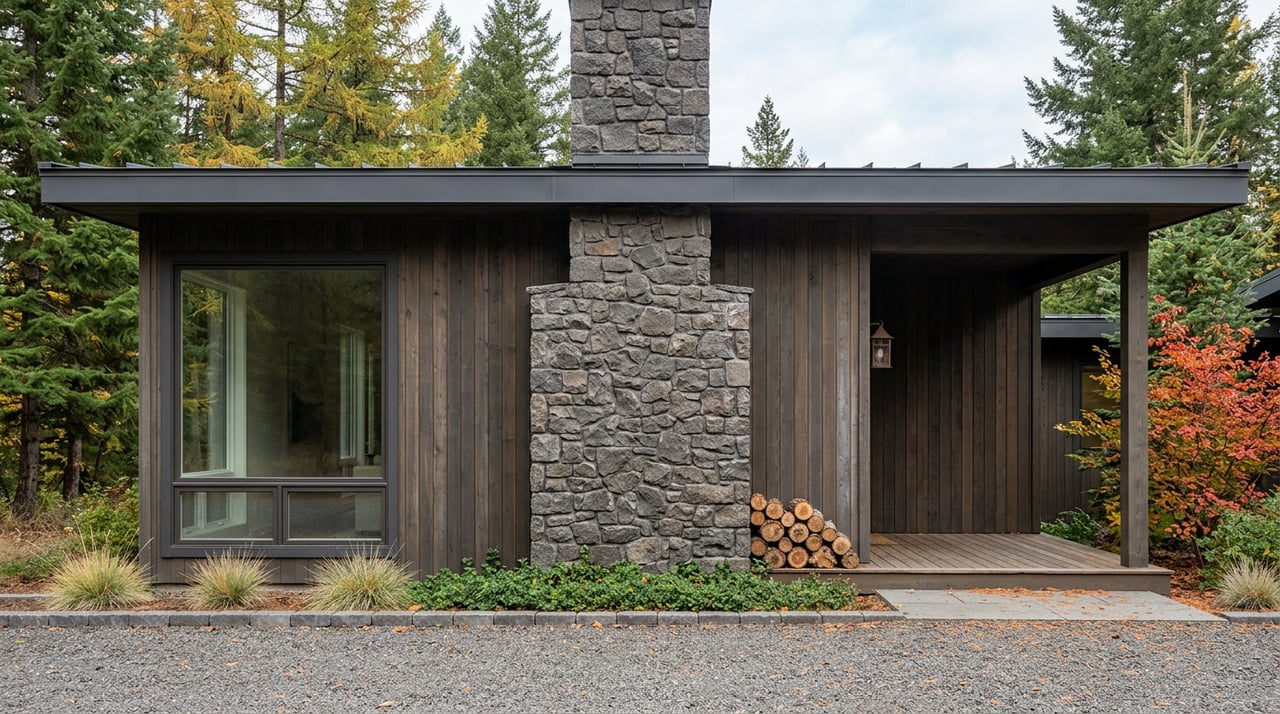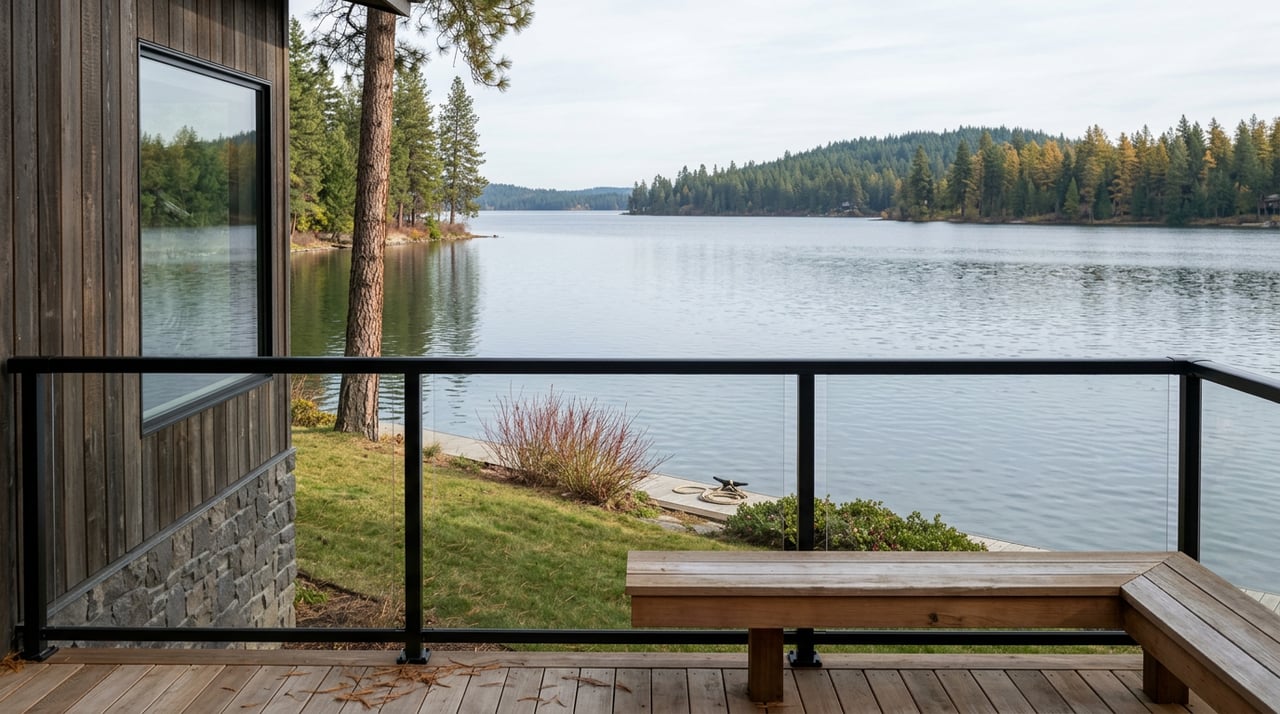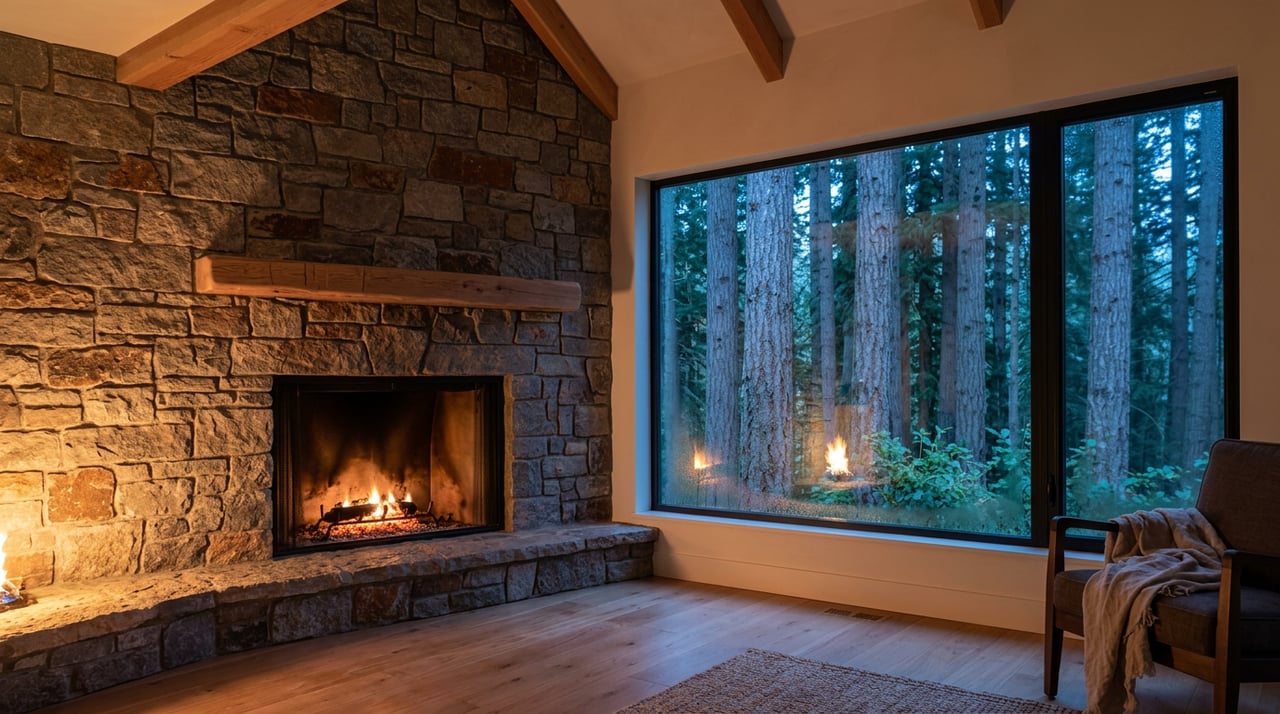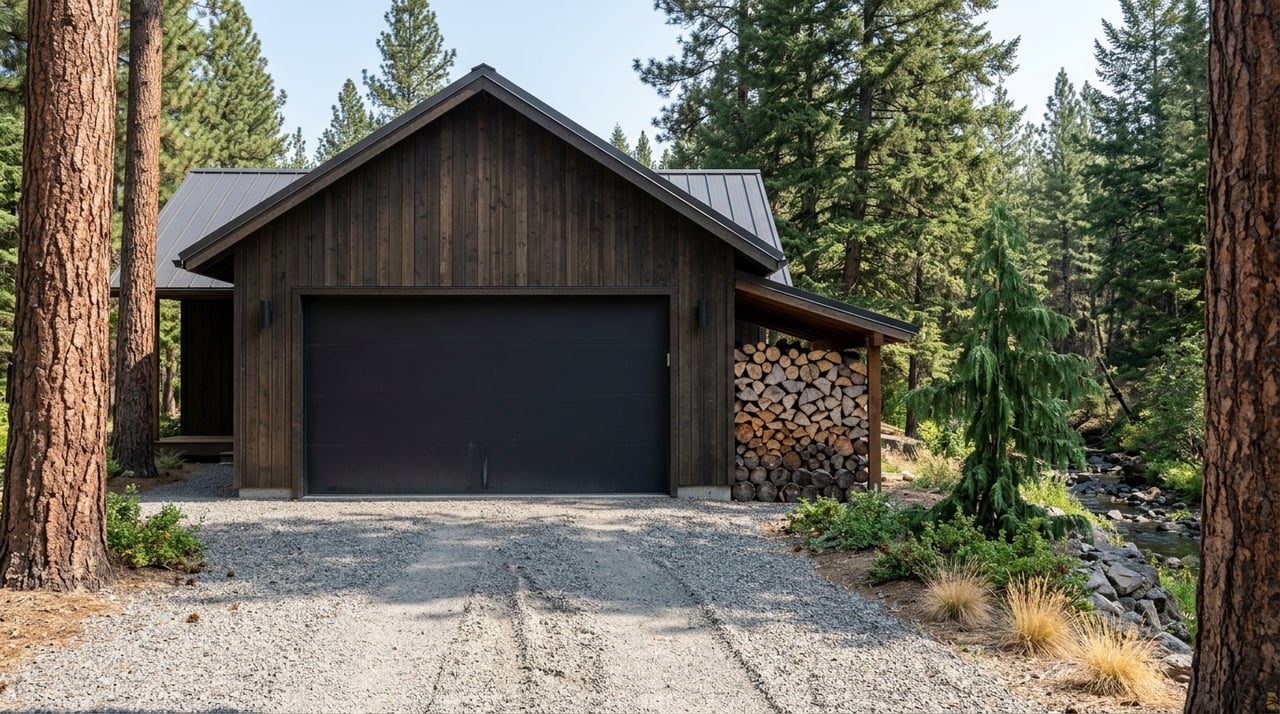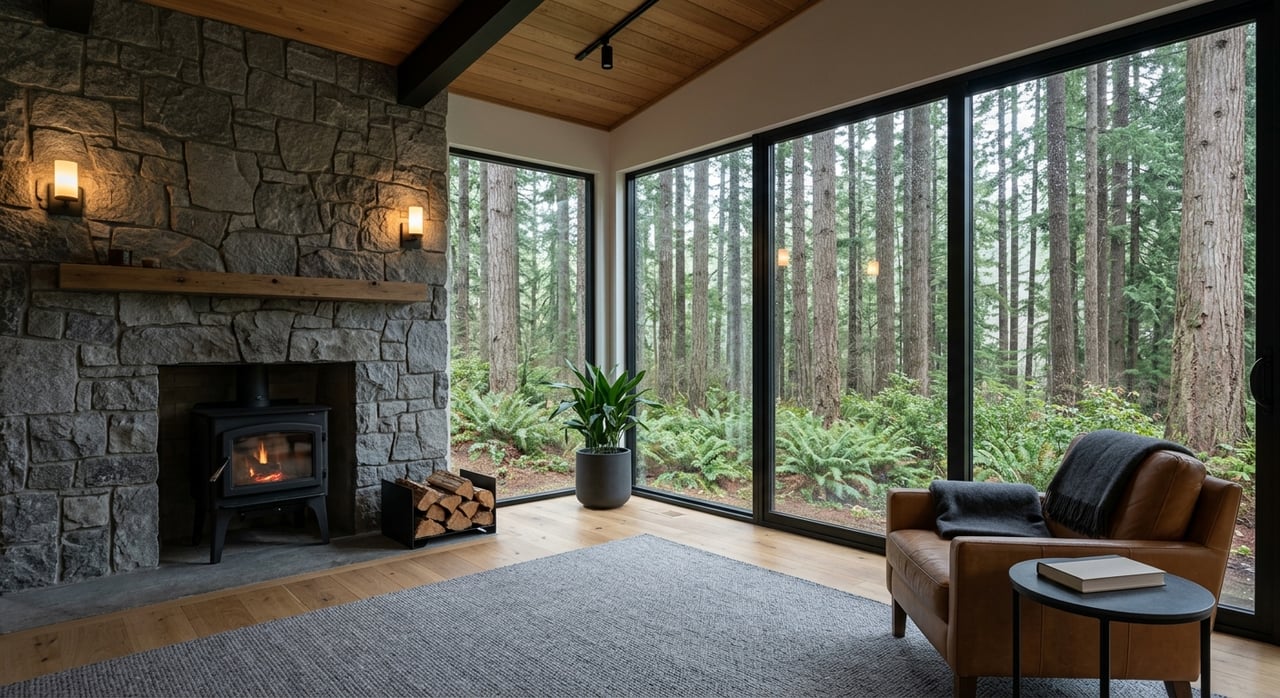
If you are selling a mountain or lake cabin near Leavenworth or Lake Wenatchee, staging is not just about making the home look tidy. You are helping buyers picture a year-round lifestyle, from sunny lake days to snowy weekends by the fire. Done well, staging can make your cabin feel more memorable, more functional, and easier to imagine as home. Let’s dive in.
Why cabin staging matters
Staging has a real impact on how buyers respond to a home. According to the National Association of Realtors 2025 Profile of Home Staging, 83% of buyers’ agents said staging made it easier for a buyer to visualize the property as a future home.
That matters even more in a lifestyle-driven market like Leavenworth and Lake Wenatchee. Buyers here are often looking for a place that supports hiking, boating, skiing, snowshoeing, and weekends outdoors, as reflected in the area’s strong recreation focus from Leavenworth tourism and Lake Wenatchee State Park. Your staging should help them see how the home supports that experience.
NAR also found that 49% of agents observed reduced time on market for staged homes, and 29% saw a 1% to 10% increase in the dollar value offered. While every property is different, those findings show why thoughtful presentation can be worth the effort.
Stage for four-season living
One of the biggest selling points in this area is that it works in every season. Lake Wenatchee State Park shifts from waterfront recreation to winter Sno-Park use, and Leavenworth is promoted as a four-season recreation basecamp.
The weather supports that story. NOAA climate normals for Leavenworth 3 S show warm, dry summers and snowy winters, with a July mean high of 87.0°F and December snowfall of 32.4 inches. Your cabin should feel ready for both.
That does not mean filling the house with seasonal props. It means creating a calm, practical setting that suggests comfort in winter and easy outdoor living in summer.
Show warmth without overdoing it
If your cabin has a fireplace, wood stove, or firepit, keep that area clean and simple. A few well-placed pieces can make the space feel inviting, but too many rustic accessories can make it feel staged instead of authentic.
The goal is to signal comfort, not create a theme. Buyers should notice the room and the lifestyle it supports, not a pile of decorative items.
Make gear storage feel easy
In a market centered on outdoor recreation, a tidy entry or mudroom can be a quiet but powerful detail. Hooks, a boot tray, and closed storage can help buyers imagine coming in from the lake, a hike, or a snowy trail day.
Because Leavenworth recreation options include everything from rafting and biking to Nordic skiing and tubing, these practical zones help a cabin feel easy to live in. That is especially helpful for second-home and recreational buyers who want low-friction ownership.
Let the views lead
In the Lake Wenatchee and Leavenworth area, the setting is often one of the home’s biggest assets. Forested mountains, water, and open sky create a natural focal point, so your interior staging should support the view, not compete with it.
Keep window areas open and clean. Pull back heavy drapes, remove furniture that blocks sightlines, and arrange seating to face outward when possible.
Reduce visual clutter
Cabins can collect a lot of personality over time, especially if they have been used as vacation homes. But buyers connect more easily when they can focus on the space, light, and scenery.
That is why decluttering is one of the most important steps. NAR reports that sellers’ agents most often recommend decluttering, cleaning, and improving curb appeal, which makes those three areas a smart place to start.
Use a restrained palette
Natural textures work well in this market, but restraint matters. Light bedding, simple linens, wood and stone textures, and a calm color palette usually feel more current than themed signs, novelty decor, or lodge-style overload.
This is also a good way to make listing photos feel polished. Since NAR found that buyers’ agents rated photos, videos, and virtual tours as important listing tools, your home should look clean and consistent on camera.
Focus on the key rooms
Not every room needs the same level of effort. NAR found that the living room, primary bedroom, kitchen, and dining room matter most to buyers and agents.
In a cabin, that often translates to the great room, the main bedroom, and the kitchen-dining core. If you are prioritizing time and budget, start there.
Great room
The main living space is often the emotional center of a cabin. It should feel open, comfortable, and easy to navigate.
Use fewer, larger furniture pieces instead of many small ones. In open-concept cabins, that helps define the room and makes traffic flow from the entry to the kitchen and deck feel more obvious.
Kitchen and dining area
Keep counters as clear as possible and avoid crowding the table with decor. A simple, clean setup usually feels more spacious and more useful.
If the kitchen connects to a deck or view, make sure that sightline stays open. Buyers should immediately understand how indoor and outdoor living connect.
Primary bedroom
The primary bedroom should feel restful, not packed. Crisp bedding, clear surfaces, and balanced furniture placement can make the room feel larger and more peaceful.
A cabin bedroom does not need a lot of extras. It needs to feel quiet, comfortable, and ready for a full night’s rest after a day outside.
Treat outdoor space like living space
In this market, decks, porches, patios, and seating areas matter. They are part of how buyers imagine using the property, not just bonus spaces.
Set them up as you would an outdoor room. Clean surfaces, simple seating, and a usable layout can help buyers picture morning coffee, summer dinners, or evening time by the fire.
Photograph outdoor areas with intention
Outdoor staging should also support your listing media. NAR’s research shows the importance of strong visuals, so porches and decks should be photographed like meaningful parts of the home.
That is especially true in an area known for outdoor recreation and scenic surroundings. If the property has lake-facing or mountain-facing spaces, those should be presented as key lifestyle features.
Avoid the vacation-rental look
One common mistake with cabin staging is pushing the theme too far. If the home starts to feel like a short-term rental set, buyers may focus on the styling instead of the property itself.
NAR noted that many buyers expect homes to resemble TV staging, yet 58% of agents said buyers were disappointed by how homes looked compared with those shows. That is a strong reason to keep your presentation clean, realistic, and well-edited.
What to skip
Try to avoid:
- Too many signs or slogan decor
- Heavy plaid or oversized rustic accessories in every room
- Furniture that blocks windows or pathways
- Crowded shelves and kitchen counters
- Outdoor spaces left dirty or unfinished
Simple almost always reads better than overly styled.
Think about the camera
Today, many buyers will meet your cabin online before they ever step inside. That means staging should work for photos and video, not just in person.
Clean lines, open sightlines, and balanced furniture placement tend to photograph best. Every room should have a clear purpose, and every photo should help buyers understand how the home lives.
If possible, show seasonal versatility
Because this region is known for both summer lake use and winter recreation, it helps when a listing can communicate both. Lake Wenatchee State Park and the broader Leavenworth area support that four-season story.
If you have the option, include visuals that make both warm-weather and winter use feel believable. Buyers should come away thinking, “I could enjoy this any time of year.”
A smart investment in presentation
If you are wondering whether staging is worth the cost, NAR reported a national median cost of $1,500 for using a staging service and $500 when the seller’s agent handled staging themselves. That is a national benchmark, not a local quote, but it gives you a useful frame of reference.
For many cabin sellers, the better question is not whether to stage, but where to focus. In this market, the highest-impact moves are usually decluttering, cleaning, view preservation, outdoor readiness, and clear four-season functionality.
When your cabin feels calm, capable, and connected to its setting, buyers can picture more than just a house. They can picture the life that comes with it.
If you are getting ready to sell a mountain or lake property in Leavenworth, Lake Wenatchee, or nearby North Central Washington, Lynn Stoddard can help you position it with the kind of thoughtful, high-touch presentation that speaks to lifestyle buyers.
FAQs
How should you stage a cabin in Lake Wenatchee or Leavenworth?
- Focus on clean lines, open views, key gathering spaces, and practical four-season features like a tidy entry, simple outdoor seating, and a warm but uncluttered living area.
What rooms matter most when staging a mountain cabin for sale?
- Based on NAR research, the top priorities are the living room, primary bedroom, kitchen, and dining room. In many cabins, that means the great room and kitchen-dining area deserve the most attention.
Does home staging help sell recreational property faster?
- NAR reported that 49% of agents observed reduced time on market for staged homes, and 83% of buyers’ agents said staging made it easier for buyers to visualize the property as a future home.
What should you avoid when staging a lake or mountain cabin?
- Avoid over-theming the home with heavy rustic decor, blocking windows or views, crowding rooms with small furniture, and leaving outdoor spaces unstaged or unclean.
Why is four-season staging important for cabins in the Leavenworth area?
- The Leavenworth and Lake Wenatchee area is known for both summer and winter recreation, so buyers often want a property that feels just as usable for lake days as it does for snowy weekends.