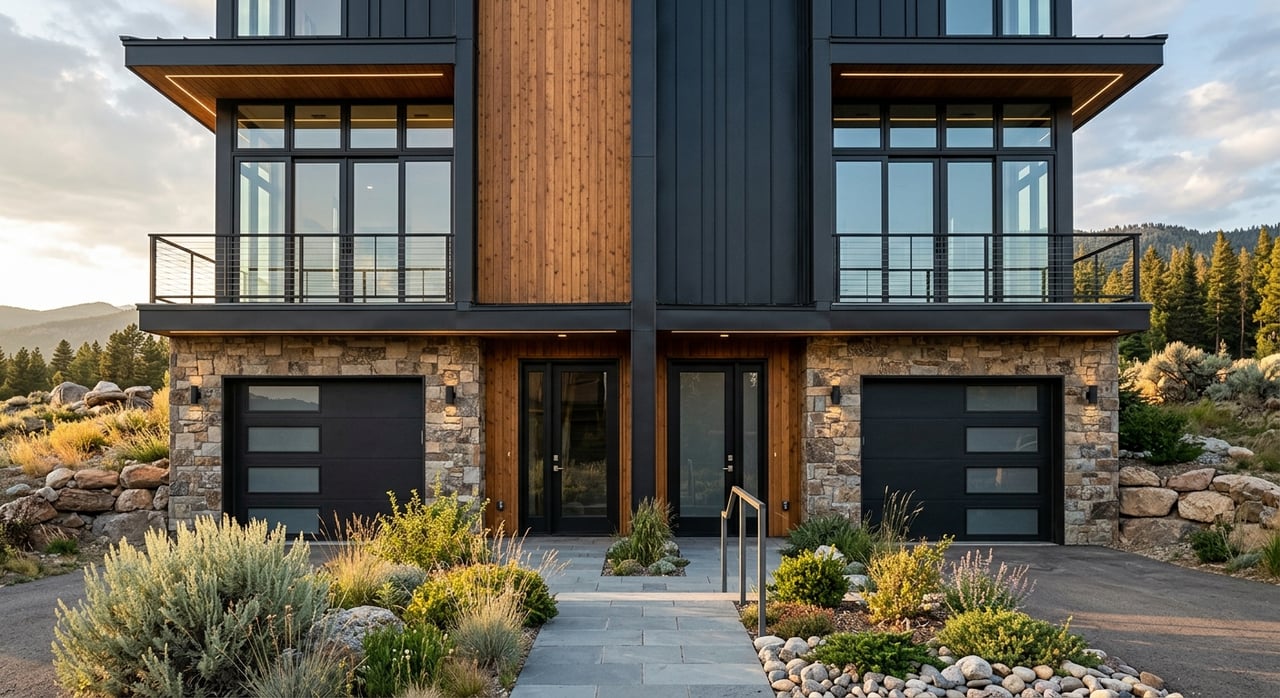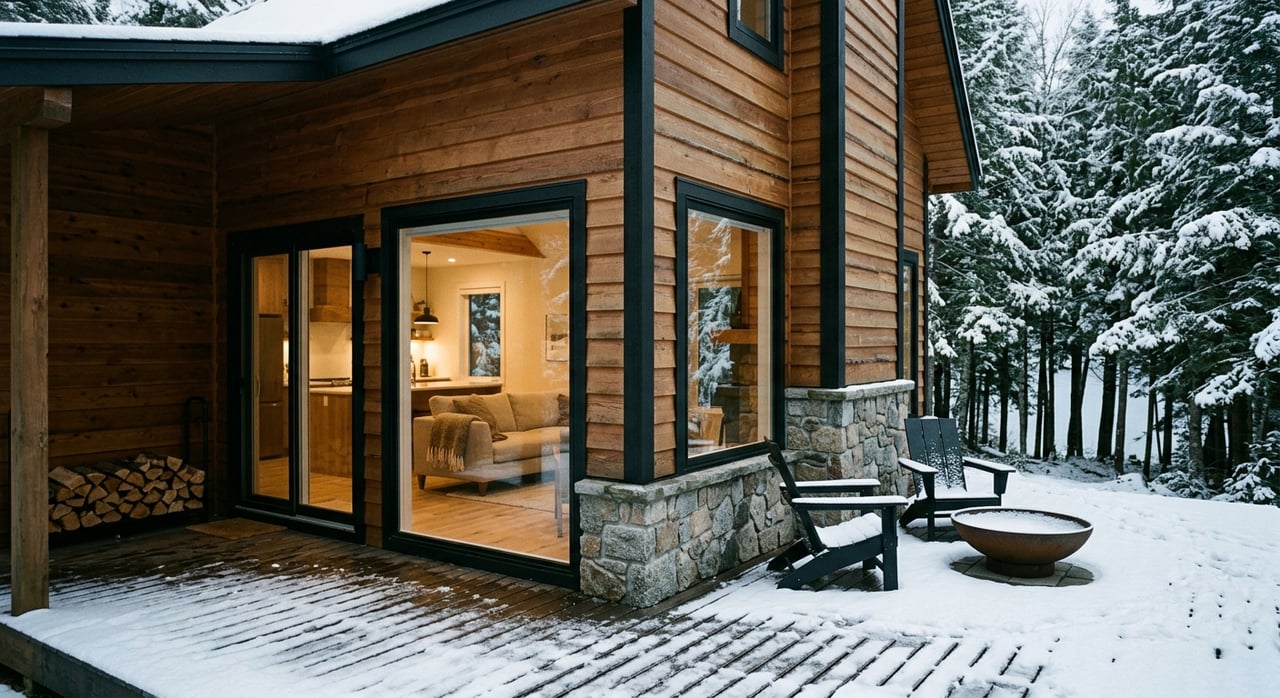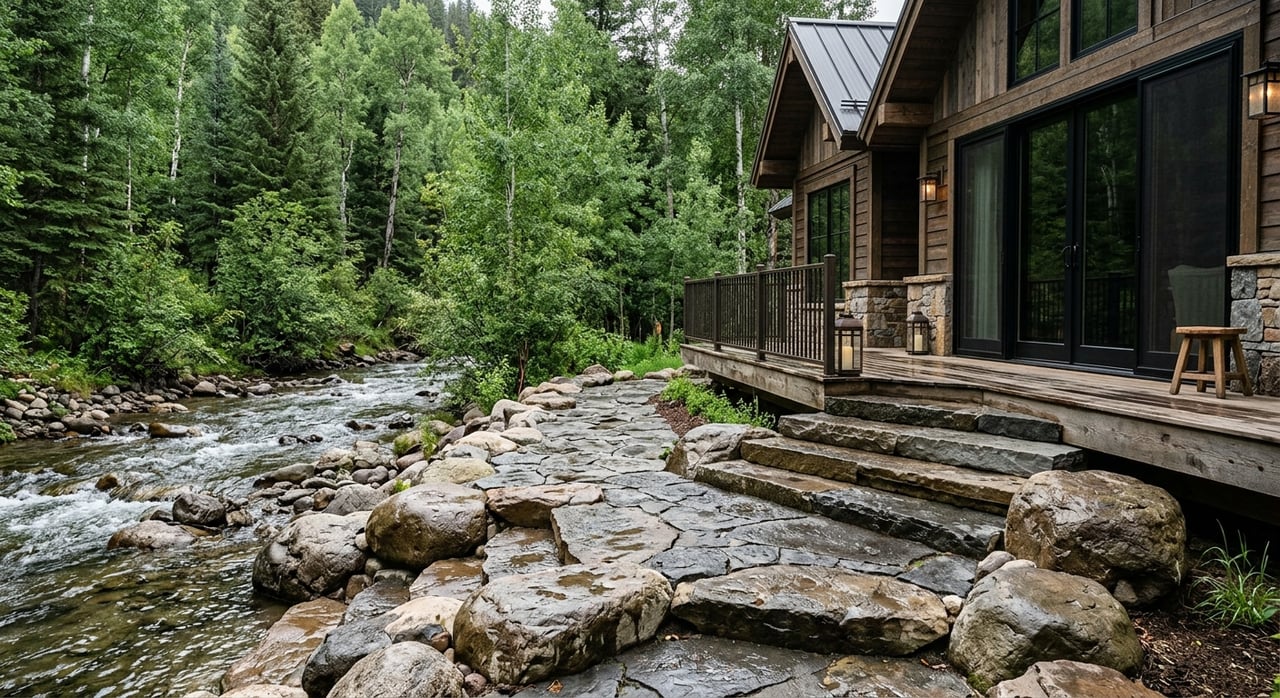
Dreaming of a weekend cabin near Leavenworth but not quite ready to build? You’re not alone. Many Seattle and Eastside buyers look to 98826 for four-season fun, then start with land they can enjoy now and build on later. This guide gives you a clear, local checklist to evaluate parcels, avoid costly surprises, and plan for a smooth permit path when the time is right. Let’s dive in.
Local realities in 98826
Leavenworth-area parcels are mostly in unincorporated Chelan County. Zoning and allowed uses depend on the county’s official maps and code, and parcels inside the Leavenworth Urban Growth Area may follow city standards. Always start with the county’s official zoning maps to confirm the basics.
Winter is part of the lifestyle here. US‑2 over Stevens Pass can experience closures, avalanche control, and occasional emergency repairs, which affects both weekend access and construction schedules. Check WSDOT’s project and advisory page for US‑2 when you plan site visits, deliveries, or contractor mobilization.
Policy issues like domestic water availability, critical-area protections, and wildfire resilience can shape what and where you can build. In some watersheds, Chelan County requires water-mitigation before issuing a building permit that creates new domestic water use. Review the county’s Water Mitigation Program early to understand whether your parcel falls inside a mitigation basin.
Do the parcel homework first
Buying raw land is all about due diligence. Use this sequence to size up a lot before you write an offer.
1) Find the parcel facts
- Pull the parcel in Chelan County’s interactive GIS.
- Note the assessor parcel number, boundaries, topography, and any visible driveways or rights-of-way.
- Save maps and screenshots for your records and for pros you hire later.
2) Confirm access and driveway rules
- Identify how you legally reach the property: public road, private road, or recorded easement.
- If you will access from a county road, you will need an approach or driveway permit and must meet standards for sight distance and turnarounds.
- For shared driveways, the county often expects a recorded maintenance agreement. See Chelan County Public Works’ development and access guidance.
3) Read the record
- Order a title commitment so you can review easements, covenants, rights-of-way, mineral reservations, and HOA documents if they exist.
- The county’s online services explain how recorded documents are maintained and accessed. Start with Community Development’s online services portal to understand what is on file.
- Confirm who plows and maintains any private road in winter if you want year-round access.
4) Check zoning and use rules
- Use the county’s official zoning maps to verify the zoning district.
- Zoning sets minimum lot size, setbacks, allowed uses, and whether accessory dwellings or short-term rentals are permitted.
- If the parcel is inside the Leavenworth UGA, ask county staff whether city standards apply to your project.
5) Screen for critical areas
- Look for floodplains, streams or wetlands, steep slopes, erosion risks, or sensitive habitats.
- Parcels that touch these layers often require site-specific studies like wetland delineations or geotechnical reports before building permits are approved.
- Use county GIS layers as a first screen, then budget time for technical reports if anything is flagged.
6) Verify water and septic early
- Water: Some buyers plan on a private well. In Washington, many new domestic wells are “permit-exempt,” but use is limited and local mitigation or adjudication can apply. Review Ecology’s homeowner guidance on permit-exempt wells to understand the basics and limits on use. The Department of Ecology provides a helpful overview for homeowners here.
- Water mitigation: Parts of Chelan County require mitigation certificates or fees before a building permit that creates new domestic use is issued. Check the county’s Water Mitigation Program and confirm basin status with staff.
- Septic: Chelan‑Douglas Health District is your authority for on-site sewage systems. A soils and percolation evaluation by the health district or a licensed designer will determine feasibility and may influence bedroom count or system type. Start with the district’s on-site septic program.
7) Price out utilities
- Electricity: Chelan County PUD is the primary electric provider. Ask about service availability, line-extension costs, and any easements that might be required. Contact the utility directly through Chelan PUD.
- Propane vs. natural gas: Many rural locations do not have pipeline natural gas. Expect propane or electric heating unless a nearby gas main is confirmed by the utility.
- Internet and cell: Cell coverage is limited in some canyons. Plan for satellite or fixed wireless if fiber or cable is not available.
8) Anticipate wildfire and insurance realities
- Chelan County is an active wildfire landscape. Expect defensible-space requirements, road width and turnaround standards for emergency access, and address signage conditions.
- Wildfire risk can influence insurance options and costs. Build a vegetation management plan into your timeline.
Permit path overview
Every property is different, but this high-level sequence will help you budget time and steps.
- Confirm zoning and allowed uses with Chelan County Community Development. For complex parcels, ask about a pre-application meeting. Find permit information on the county’s Building Division page.
- Verify water. If the parcel is inside a mitigation basin, start the county’s Water Mitigation Program. If not, confirm well feasibility or obtain a water-availability letter from a purveyor.
- Coordinate septic. Contact the health district early for site evaluation and system design requirements. See the on-site septic program.
- Secure driveway access. If you connect to a county road, apply for an approach permit and confirm any shared-drive maintenance agreements. See Public Works development guidance.
- Prepare building plans and submittals. Expect zoning review, building plan review, and inspections under state codes. Sensitive sites may trigger additional reports or environmental review. Start with the county’s Building Division page.
- Address floodplain or special approvals if prompted by your parcel’s location. Elevation certificates and floodplain permits may apply in mapped Special Flood Hazard Areas.
- Schedule utilities. Coordinate electric service with Chelan PUD and maintain written documentation for wells or shared water.
- Plan for wildfire-related site conditions. Be ready to provide defensible space and meet emergency access standards.
Site planning tips for a future cabin
Thoughtful site planning now can save you money and time when you build.
Choose your build envelope
- Favor flatter areas and avoid steep slopes where possible.
- Keep clear of critical-area buffers like streams or wetlands.
- On sloped parcels, a geotechnical report and specialized foundations may be required.
Place septic and well wisely
- Keep drainfields upslope and away from wells, streams, and wetlands.
- Expect soils testing and, in some cases, alternative systems with design constraints. Work directly with the health district’s on-site septic program.
Plan for winter and logistics
- Schedule earthwork and concrete during snow-free windows.
- Stage materials and equipment where access is reliable and outside sensitive buffers.
- Monitor US‑2 pass advisories via WSDOT’s US‑2 updates when coordinating deliveries.
Right-size power and backups
- Line extensions to remote parcels can be costly and may require easements. Start the conversation with Chelan PUD early.
- If you plan electric heat, confirm panel size and service capacity.
- Consider generator or solar plus batteries where outages or extension costs are a concern.
Think ahead on connectivity
- Test cell coverage on site to understand your baseline.
- If you expect remote work, plan for satellite or fixed wireless as a backup if fiber or cable is unavailable.
How Team Stoddard helps you buy land near Leavenworth
Buying land for a future cabin is part inspiration, part technical due diligence. You deserve a local partner who can help with both. As a boutique, husband-and-wife team rooted in Leavenworth, we combine welcoming, high-touch service with the practical steps that protect your plans.
Here is how we support you:
- Target the right micro-locations based on your access, recreation, and timeline goals.
- Coordinate parcel research using county GIS, zoning, and recorded documents, and flag the items that matter for buildability.
- Introduce you to local pros, including septic designers, well drillers, surveyors, geotechnical engineers, and driveway contractors.
- Structure offers with the right due-diligence windows so you can complete water, septic, access, and critical-area checks with confidence.
- Keep your long-term plan in view, from today’s weekend use to tomorrow’s permit submittal.
If you are ready to explore land near Leavenworth or want a second opinion on a parcel, we would love to help. Reach out to Lynn Stoddard to start a thoughtful, step-by-step plan for your future cabin.
FAQs
What should Puget Sound buyers know before touring Leavenworth land in winter?
- US‑2 over Stevens Pass can close for avalanche control or repairs, which affects access and deliveries. Build extra travel time into winter tours and check WSDOT advisories before you go.
How do water-mitigation rules affect a future cabin in Chelan County?
- In certain basins, the county requires a mitigation certificate or fees before issuing a building permit that creates new domestic water use. Always verify whether your parcel is inside a mitigation area using the county’s Water Mitigation Program and confirm details with staff.
Can I rely on a permit-exempt well for my cabin in 98826?
- Possibly, but there are limits on use and local rules may apply. Review the Department of Ecology’s homeowner guidance on permit-exempt wells and confirm your plan with county staff before you commit to a parcel.
How do I know if a septic system will work on my lot near Leavenworth?
- Only a site-specific evaluation by Chelan‑Douglas Health District or a licensed designer can confirm suitability. Mountain soils and slopes may require alternative systems or limit bedroom counts, so schedule soils testing early.
Who maintains private roads and winter plowing to my future cabin site?
- Maintenance and snow removal on private roads typically come from recorded road-maintenance agreements or HOA covenants. The county maintains only designated public roads and requires approach permits for new driveways onto county roads.