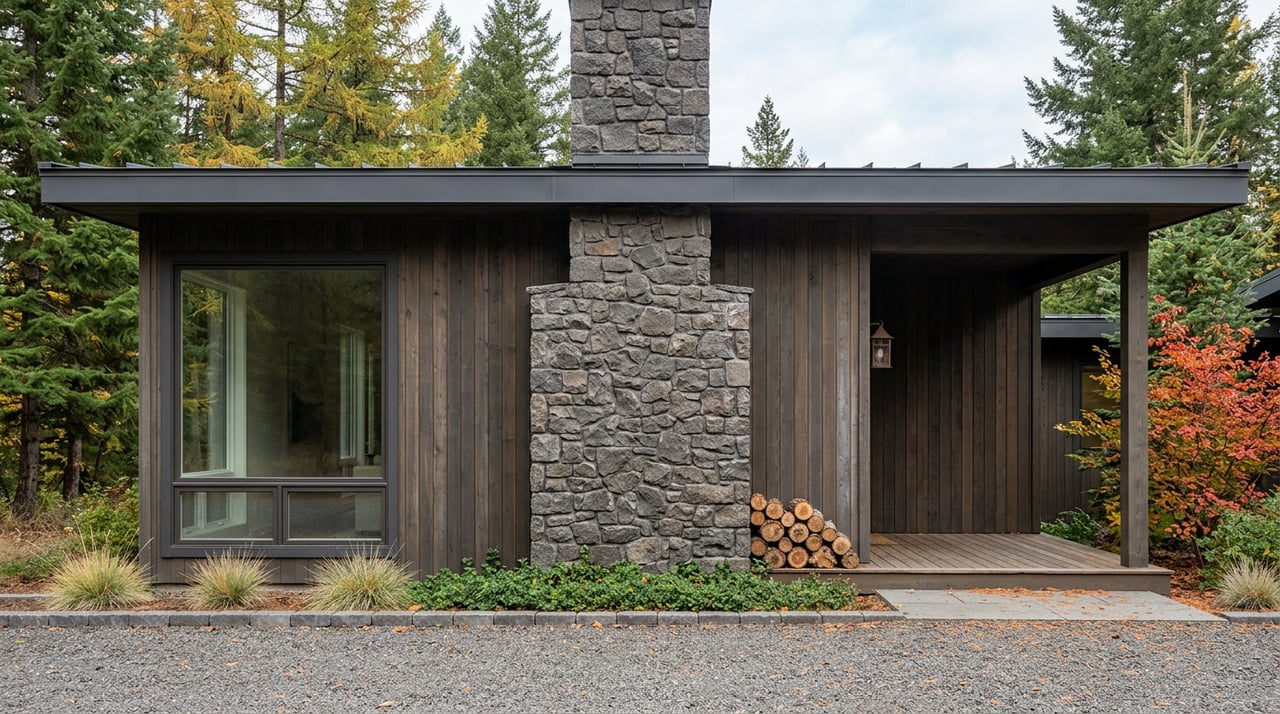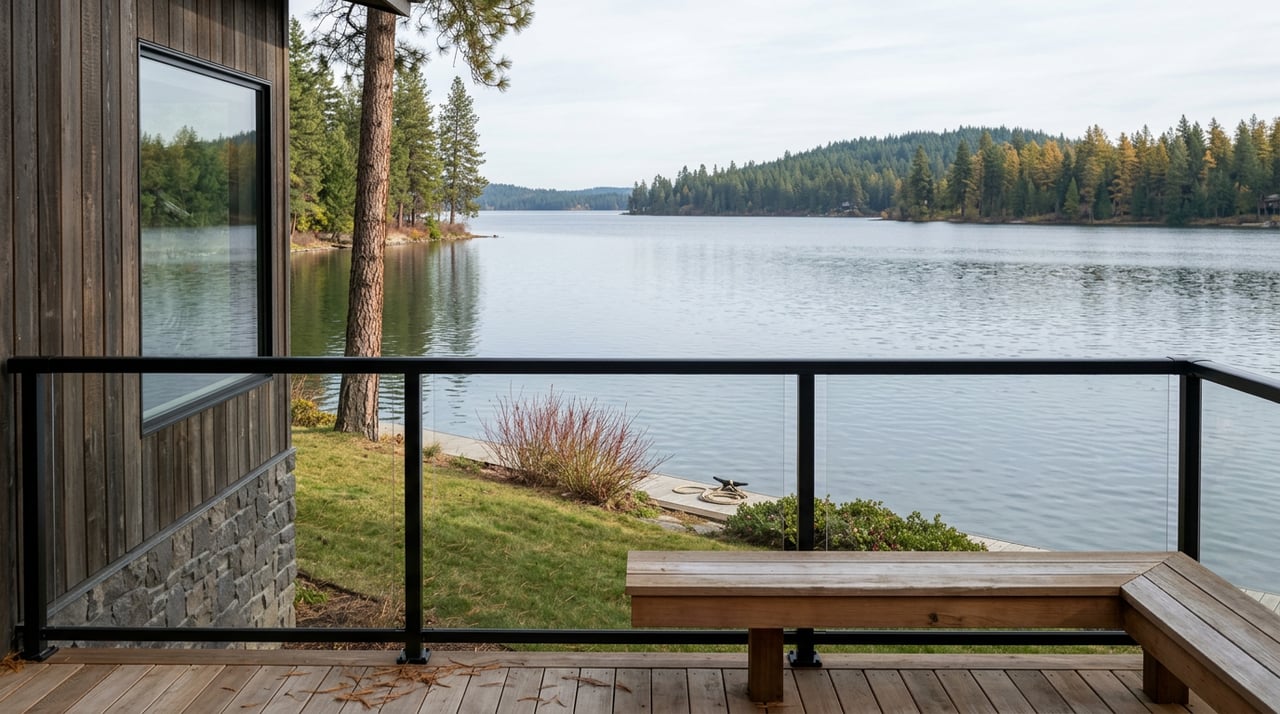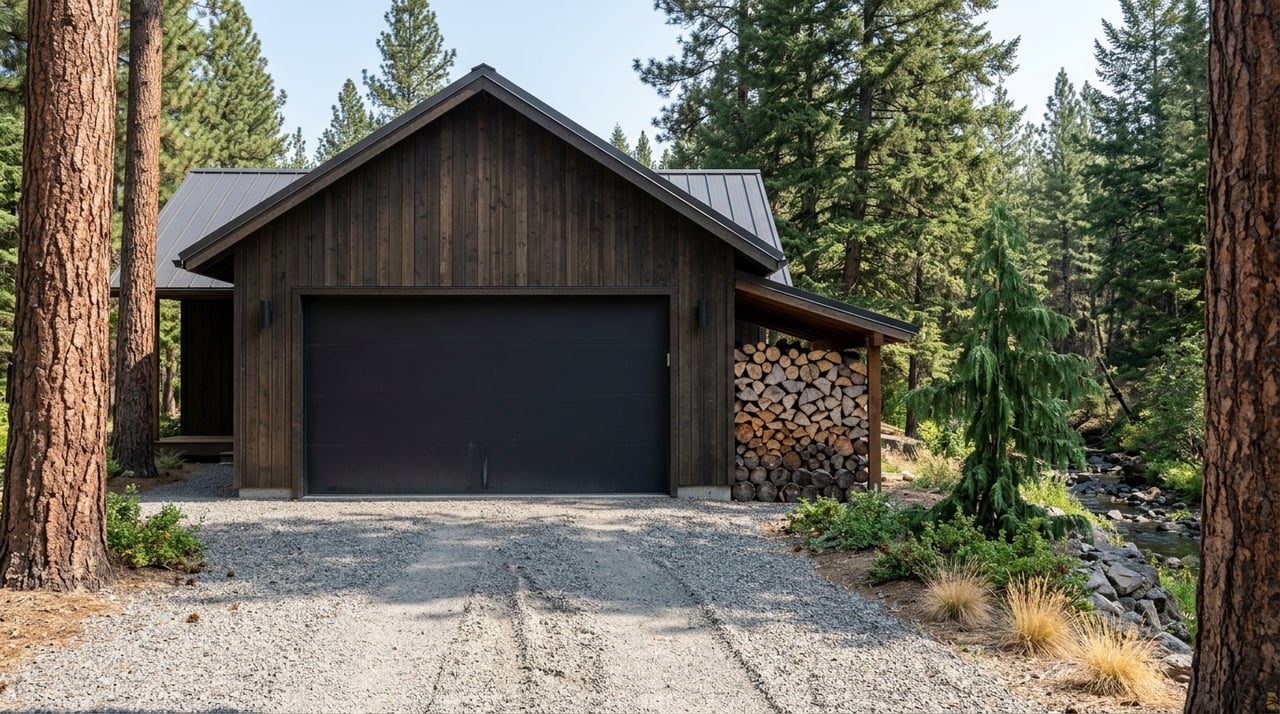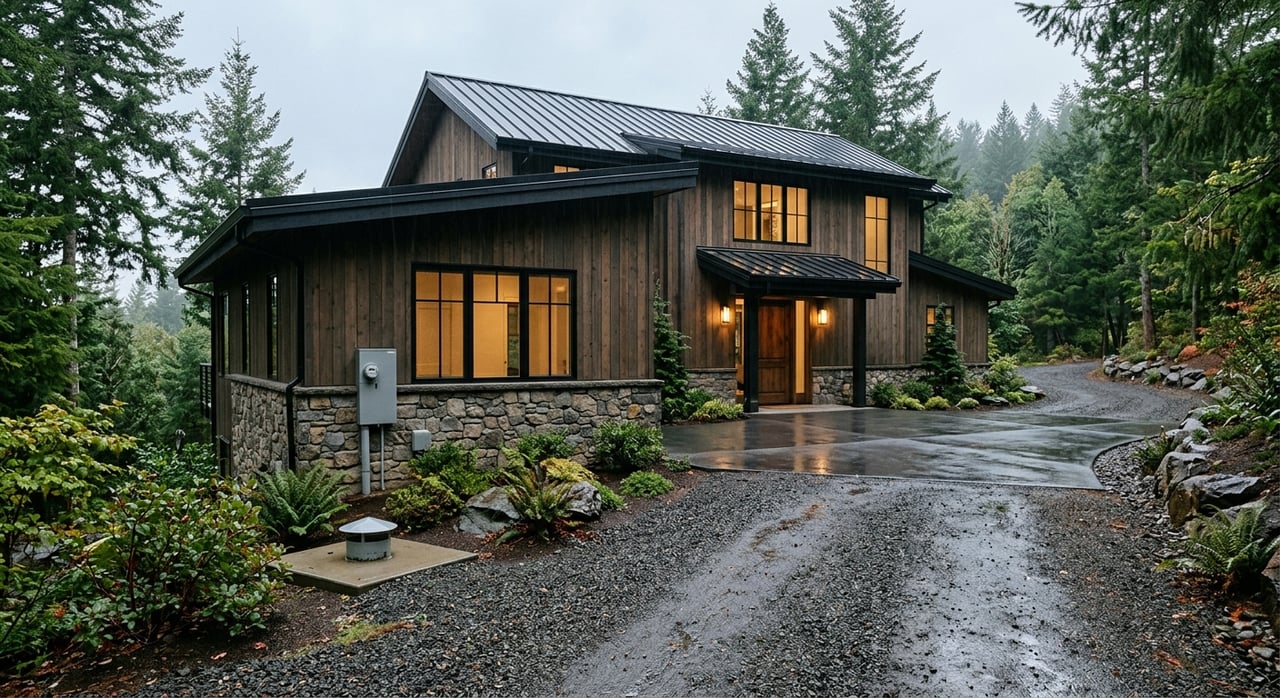
Wondering whether a Cashmere acreage property is your dream setup or a costly surprise? That question matters more here than in many other markets, because land near Cashmere can look simple at first glance while hiding big differences in zoning, water, septic, access, and build potential. If you want room to spread out, keep animals, plant a hobby orchard, or buy rural land with long-term potential, this guide will help you know what to verify before you write an offer. Let’s dive in.
Why Cashmere Acreage Draws Buyers
Cashmere sits in the lower Wenatchee River Valley, about 12 miles northwest of Wenatchee, in a setting shaped by orchards, rural living, and recreation. According to the City of Cashmere’s population and area information, the area is semi-arid, and agricultural activity depends heavily on irrigation water.
That local context matters when you shop for acreage. Around Cashmere, you may come across irrigated orchard ground, rural residential parcels, hobby-farm properties, or foothill land with more recreational appeal than straightforward building utility. In other words, two properties with similar acre counts can offer very different options once you look past the listing photos.
Start With Jurisdiction First
One of the first things to confirm is where the parcel actually falls from a land-use standpoint. A property may be inside Cashmere city limits, inside the Cashmere Urban Growth Area, or in unincorporated Chelan County, and each path can lead to different rules.
Chelan County states that county zoning applies to unincorporated land, while urban growth areas for cities such as Cashmere are zoned under city maps and codes adopted by the county. You can review that framework in the Chelan County zoning provisions. For buyers, the takeaway is simple: do not rely on a mailing address alone to tell you how the land can be used.
Why jurisdiction changes your due diligence
Jurisdiction affects more than paperwork. It can influence utility availability, permit pathways, development standards, and what questions you need answered before moving forward.
This is especially important because the City of Cashmere confirms that city water and wastewater service are available only within the city limits and Urban Growth Area. If the parcel sits outside those boundaries, you should not assume public utilities are an option.
Understand Common Zoning Types
Acreage around Cashmere is not one-size-fits-all. Chelan County includes rural zones such as RR5 and RR2.5, along with other land categories that can shape what happens on the property.
Under the county code, RR5 zoning allows uses such as open space, residential, agriculture, and forestry, with a minimum lot size of 5 acres. RR2.5 is the 2.5-acre rural residential/resource district, and the county also has a Commercial Agricultural Lands district with a 10-acre minimum lot size.
What that means for you
If you are buying acreage for a specific lifestyle goal, the zoning needs to support that goal. A parcel that works well for a rural home site may not function the same way as land that has stronger agricultural ties or additional resource-based considerations.
That is why zoning and land-use designation often matter more than the street name or the number of acres. Before you get attached to a property, make sure the intended use lines up with the actual code path.
Water Can Make or Break the Deal
In the Cashmere area, water is often the biggest practical issue in an acreage purchase. If the land is outside city service boundaries, you may need to evaluate a private well, irrigation setup, or both.
The Washington Department of Ecology explains that permit-exempt wells may serve domestic uses up to 5,000 gallons per day, lawn and garden irrigation up to one-half acre, stockwater, and certain industrial uses up to 5,000 gallons per day. If the intended use exceeds those limits, a water right is required before drilling.
Look beyond “has a well”
A listing note about a well is only the beginning. Ecology also notes that its well report viewer can provide construction and production details, and that filing a notice of intent to drill is not the same thing as having a water-right permit.
In practical terms, you want to know what kind of water source exists, what records support it, and whether that source matches your plans for the property. If you are thinking about gardens, animals, or larger-scale agricultural use, this review becomes even more important.
Water mitigation may apply
Chelan County has a Water Mitigation Program intended to protect senior water rights and confirm that water is physically and legally available for new domestic uses. The county says this program applies to building permits requiring new water use in the Wenatchee River basin, and a groundwater well source can trigger a water mitigation certificate requirement.
For buyers, that means a parcel is not automatically build-ready just because it appears rural and open. The water path may need to be confirmed before your project can move ahead.
Septic Needs Its Own Review
If public sewer is not available, onsite septic becomes another critical item. This is not something you want to treat as an afterthought during escrow.
The Chelan-Douglas Health District septic program handles septic permits, final inspections, and complaint investigations. The agency also states that septic work completed without the required permit is a public-health violation.
What to ask for on resale property
When you are evaluating an existing home on acreage, ask for:
- Septic permit
- As-built diagram
- Maintenance or inspection records if available
- Clear information about system location and size
If records are missing, the health district says septic records may be available through CDHD. That can save time, but you should still build enough investigation time into your contract.
Confirm Drinking Water Records and Testing
Private water should never be treated like a quick checkbox. The Chelan-Douglas Health District drinking water resources page says that when a new building permit is submitted through Chelan County Community Development, the drinking-water source will be reviewed to protect senior water rights.
The same source also notes that the health district does not perform water-quality testing. So if a property depends on a private well, you should expect to gather records and arrange independent testing as part of your due diligence.
Legal Access Comes Early
Many acreage buyers focus first on views, topography, and privacy. Those matter, but legal access should be near the top of your checklist.
Chelan County Public Works says an access or driveway permit is required for any proposed access approach onto a county road. Separate approval may be required for access onto a state highway or Forest Service road.
Why access affects value
If legal or permitted access is uncertain, everything else gets harder. Financing, building plans, and even basic use of the property can be affected.
That is why access should be verified before you get too far into negotiations. On land purchases especially, this is often one of the first make-or-break items.
Do Not Trust GIS for Boundaries
Online maps are helpful, but they are not the final word on where a property begins and ends. Chelan County’s assessor warns buyers not to rely on GIS for exact boundaries.
According to the assessor’s FAQ, only an on-site survey can identify actual property lines and corners. The same source advises checking recorded surveys, plats, and easements through the auditor’s records.
Easements matter on acreage
Large parcels often involve shared driveways, utility easements, irrigation-related access, or other recorded exceptions. Those items can shape where you can build, how you access the property, and what rights others may have across the land.
Before an offer feels safe, you want a clear picture of both the visible and recorded constraints.
Watch for Critical Areas and Wildfire Risk
Foothill and creek-adjacent properties can be beautiful, but site conditions may limit what you can improve. Chelan County’s critical areas brochure identifies wetlands, aquifer recharge areas, fish and wildlife habitat conservation areas, frequently flooded areas, and geologically hazardous areas as important categories.
If a property includes slopes, drainage areas, or natural features, development potential can shift significantly once those constraints are mapped. That does not mean the land is unusable. It does mean your assumptions should be tested early.
Fire conditions are part of rural ownership
Wildfire risk is also part of the conversation for rural acreage. Chelan County posts fire danger ratings and restrictions, which can affect land use, seasonal work, and overall preparedness.
For many buyers, it makes sense to think through defensible space, road access, and how the property may function during fire season. These are practical ownership questions, not just closing questions.
Check Property Taxes and Current Use Status
Acreage sometimes comes with tax treatment that should be reviewed before closing. The Washington Department of Revenue’s current use classification overview explains that eligible farm, agricultural, timber, and open-space land may be valued based on current use rather than highest and best use.
That can be beneficial, but there is an important catch. If classified land is removed from the program or sold without the proper continuation paperwork, additional tax, interest, and penalty may apply.
Why this matters in a purchase
If you are buying orchard ground, farm acreage, or land with an open-space designation, ask whether the parcel is in current use and what would happen if your ownership or use changes. Tax surprises are much easier to prevent than to fix.
A Smart Acreage Offer Checklist
Before you write an offer on acreage near Cashmere, it helps to think in terms of verification, not assumptions. Chelan County’s building permit submittal materials show how many items can come into play for new construction, including site plans, septic documentation, water and sewer availability letters, geologic documents when applicable, and water mitigation approval when required.
A practical due-diligence checklist often includes:
- Confirm whether the parcel is in the city, UGA, or county
- Verify zoning and land-use designation
- Review legal access and permit needs
- Confirm the water source and available records
- Check whether water mitigation may apply
- Verify septic status or septic feasibility
- Review title exceptions, easements, and recorded surveys
- Identify critical areas or geologic constraints
- Check wildfire conditions and seasonal restrictions
- Ask whether the property is in current use
Buying acreage can be incredibly rewarding, but it rewards buyers who slow down and verify the fundamentals. If you want help sorting through land questions, rural property risks, and the steps that make an offer feel more secure, connect with Lynn Stoddard for thoughtful, local guidance tailored to North Central Washington acreage.
FAQs
What should you verify first when buying acreage near Cashmere, WA?
- Start by confirming whether the property is inside Cashmere city limits, inside the Cashmere UGA, or in unincorporated Chelan County, because that affects zoning, utilities, and the permit path.
Does acreage outside Cashmere city limits have city water or sewer?
- Not necessarily. The City of Cashmere states that water and wastewater service are available only within the city limits and UGA, so rural parcels may rely on private wells and septic systems.
What zoning is common for rural acreage near Cashmere, WA?
- Common Chelan County zoning categories include RR5, RR2.5, and Commercial Agricultural Lands, each with different lot-size minimums and allowed uses.
Do you need to check water rights for a Cashmere acreage property?
- Yes. If the property uses or may need a private well, you should review well records, intended water use, and whether a water mitigation certificate or water right could be required.
Why is septic review important for acreage properties in Chelan County?
- Septic permits, as-built records, and system status can affect whether a property is usable as expected, and the Chelan-Douglas Health District says required septic permits must be in place.
Can you rely on GIS maps for property lines on acreage near Cashmere?
- No. Chelan County’s assessor says GIS maps should not be relied on for exact boundaries, and only an on-site survey can identify actual lines and corners.
What land risks should you review before buying foothill acreage near Cashmere, WA?
- Review legal access, critical areas, geologic hazards, wildfire conditions, and any recorded easements or title exceptions that could affect use or development.