Wondering whether a Lake Wenatchee waterfront or view home is worth the extra homework? In this market, the answer is often yes, but only if you understand what you are really buying. A beautiful setting here can also come with shoreline rules, slope limits, septic questions, winter access concerns, and community restrictions. If you want to buy with confidence, this guide will help you focus on the details that matter most. Let’s dive in.
Why Lake Wenatchee feels different
Lake Wenatchee is not a typical suburban lake market. It is a rural, mountain-lake area shaped by glacier history, forest land, and a limited amount of private property near the water and roads.
That matters because a great view is only part of the value. In the Plain and Lake Wenatchee area, development can be limited by steep slopes, floodways, wetlands, critical areas, and septic constraints. When you shop here, you are often evaluating usability just as much as scenery.
Compare the main home types
Before you fall in love with a listing, it helps to know which type of property you are looking at. Around Lake Wenatchee, buyers usually compare three broad categories.
True waterfront homes
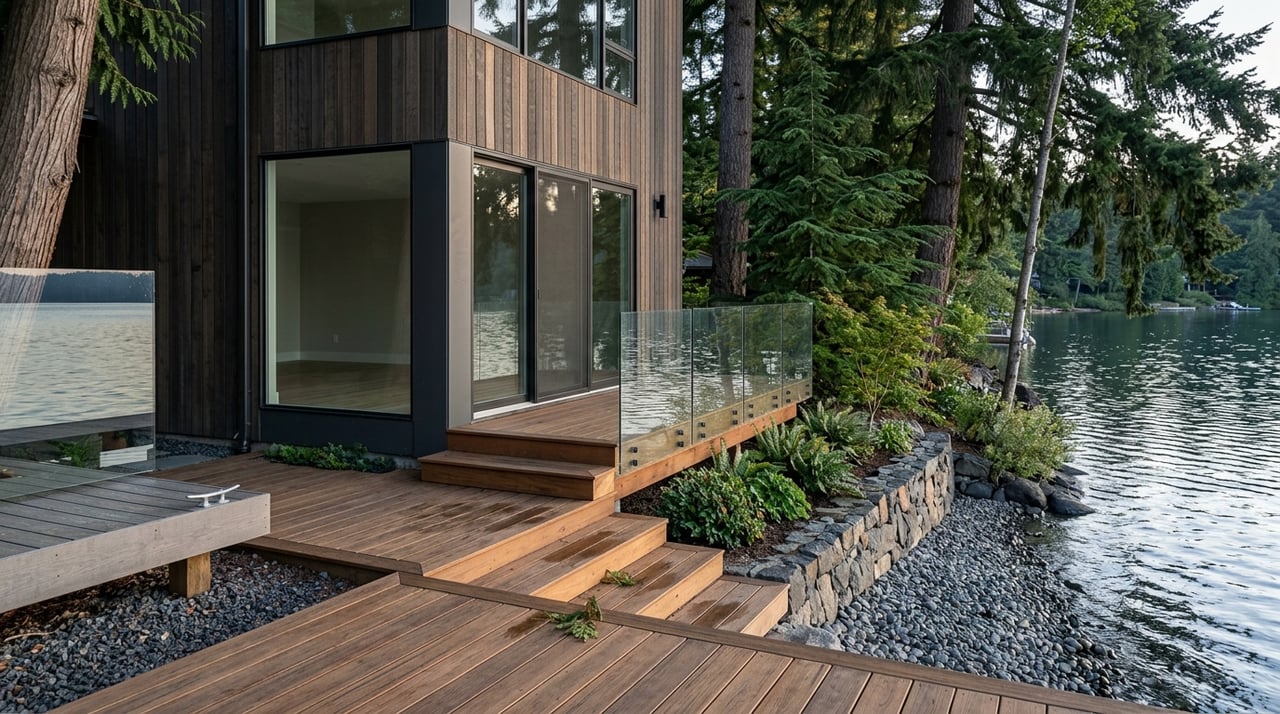
True waterfront means the parcel has direct shoreline frontage. You are paying for immediate water adjacency, but you are also stepping into the highest level of shoreline review and regulation.
Chelan County says shoreline jurisdiction extends 200 feet inland from the ordinary high water mark. Buffer requirements can range from 50 to 150 feet depending on shoreline designation, so the amount of land you can freely use near the water may be more limited than it looks at first glance.
Shared-access homes
Some homes near Lake Wenatchee do not sit directly on the shoreline but still offer lake use through common areas, shared roads, or community shoreline facilities. This setup can work well if you want recreation access without buying a full waterfront parcel.
The tradeoff is that you need to understand the recorded access rights and any association rules. Local communities such as Kahler Glen and Natapoc Village show how dues, membership obligations, and governing documents can shape the ownership experience.
View homes above the shoreline
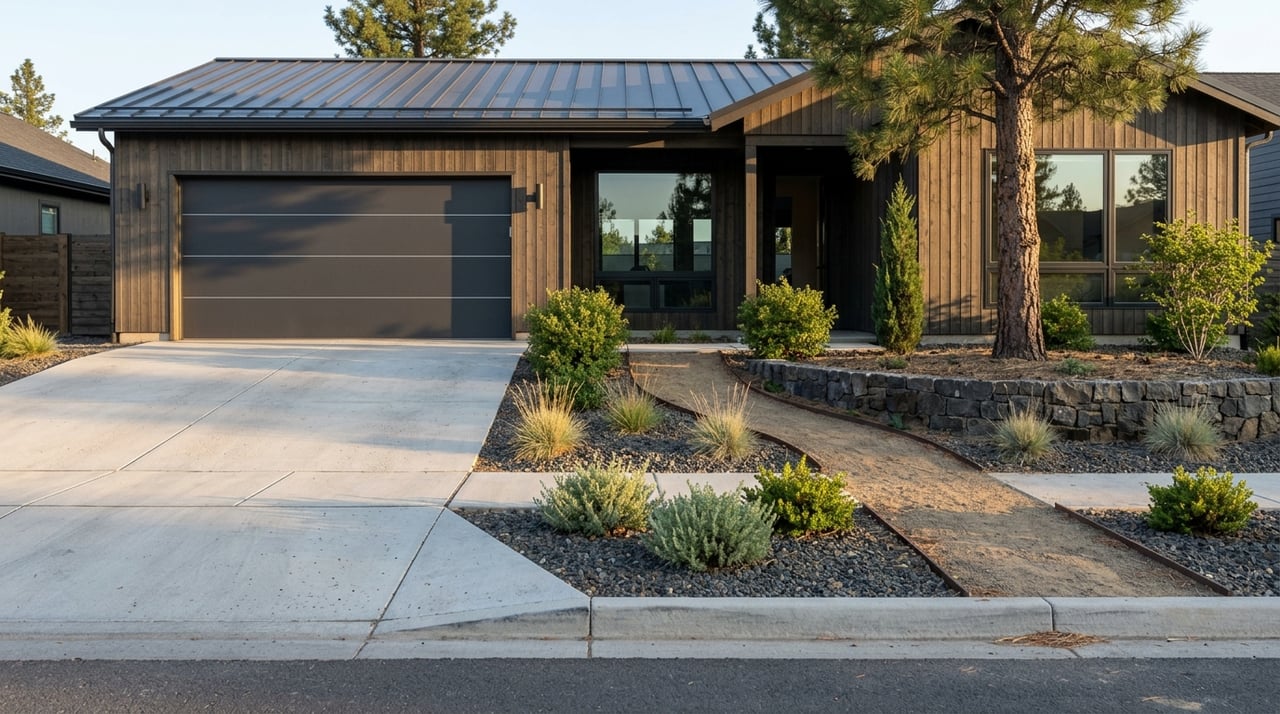
Upslope view homes often appeal to buyers who want privacy, wider sightlines, and a little more separation from the busiest shoreline areas. In some cases, they may also offer a more practical building envelope than a constrained waterfront parcel.
Still, do not assume a higher lot means a simpler lot. In this area, slope, road access, vegetation limits, and septic feasibility can all affect what you can build, add, or change over time.
Waterfront value is about more than water
At Lake Wenatchee, raw frontage alone does not tell the whole story. Two homes can both be marketed as lake properties while offering very different ownership realities.
A property’s value may depend on whether you have direct shoreline use, recorded shared access, year-round drivability, room for septic reserve, and permit history for past improvements. That is why local due diligence matters so much in this market.
Shoreline rules can shape your plans
If you are buying true waterfront, shoreline regulations should move to the top of your checklist early. Chelan County notes that shoreline work may require a shoreline permit, and that permit does not replace other approvals that may also be required.
Depending on the property and the work involved, additional approvals may be needed for building, floodplain issues, water quality, or other site-specific improvements. Buyers should also know that properties within shoreline jurisdiction may need ordinary high water mark and wetland mapping by a qualified professional.
Trees and view corridors
A lot of buyers assume they can open up a bigger lake view by clearing vegetation. That is not something to take for granted here.
Chelan County limits shoreline vegetation clearing to a single view corridor on privately owned lots. If preserving or expanding a view is part of your plan, that question should be addressed before you make assumptions about future changes.
Docks, stairs, and retaining walls
Lake access features often add convenience and appeal, but they are also some of the first items to verify. Permit history matters for docks, stairs, retaining walls, additions, and shoreline clearing.
On some narrower lots, setback review may use a common-line method instead of a simple fixed-distance rule. That means the details of one parcel can differ quite a bit from the lot next door.
Septic can be a major buying factor
In many mountain and lake markets, septic is a secondary question. Around Lake Wenatchee, it can be a primary one.
Chelan County’s comprehensive plan says 27 of the area’s 30 soil types have septic tank limitations. That is a strong reminder to confirm the type of system, condition, capacity, and reserve area before you move too far forward.
If you are buying land or a home with plans for expansion, septic constraints can directly affect what is possible. A larger lot does not always mean easier development.
Winter access deserves close attention
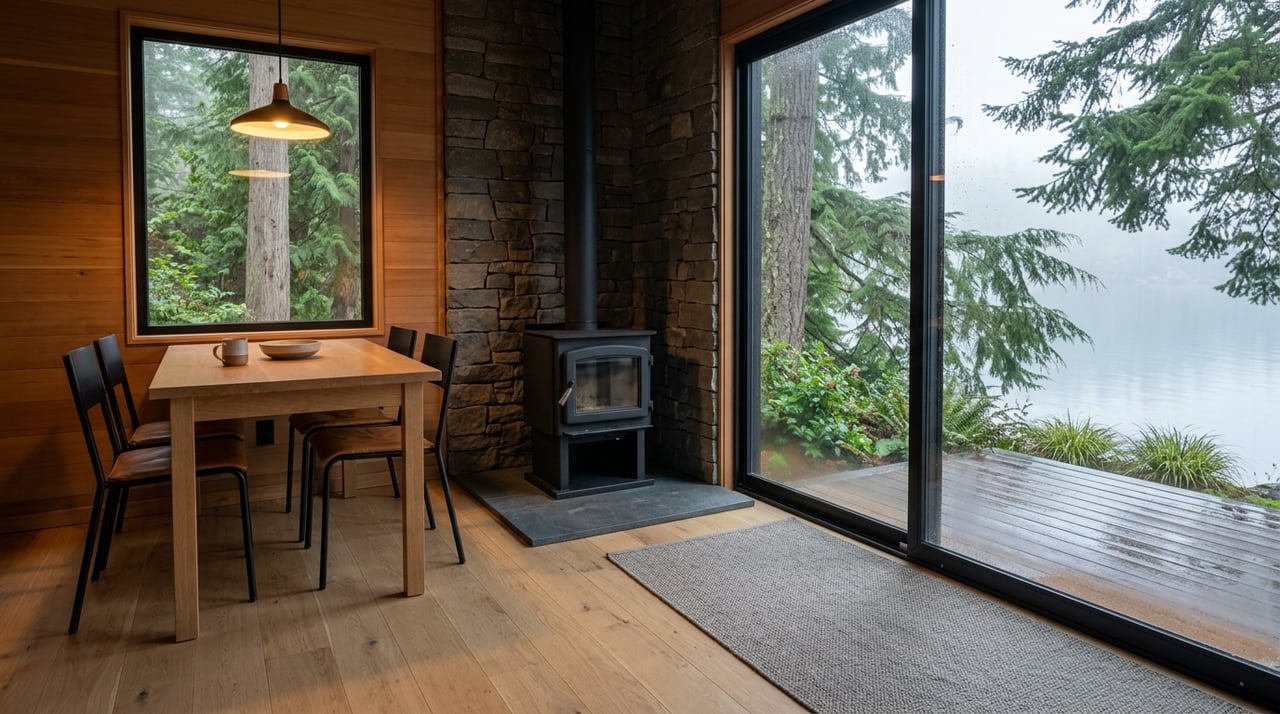
A Lake Wenatchee home can feel like a four-season retreat, but each season brings different access realities. Roads, snow conditions, and maintenance can shape how easy the property is to use when winter weather sets in.
Lake Wenatchee State Park itself shifts operations in winter, becoming a Sno-Park that requires a Sno-Park permit, and campgrounds close once snow arrives. Nearby recreation access is also road-dependent and weather-sensitive, which gives you a sense of how important seasonal access can be in this area.
Ask how the property performs in snow
During a showing, ask practical questions. Who handles snow removal? Are roads publicly maintained, privately maintained, or association-managed? How steep is the driveway, and how usable is it during storms?
These details may not show up in listing photos, but they can shape your day-to-day ownership experience. For many second-home buyers, reliable winter access is just as important as the lake view itself.
Wildfire readiness matters too
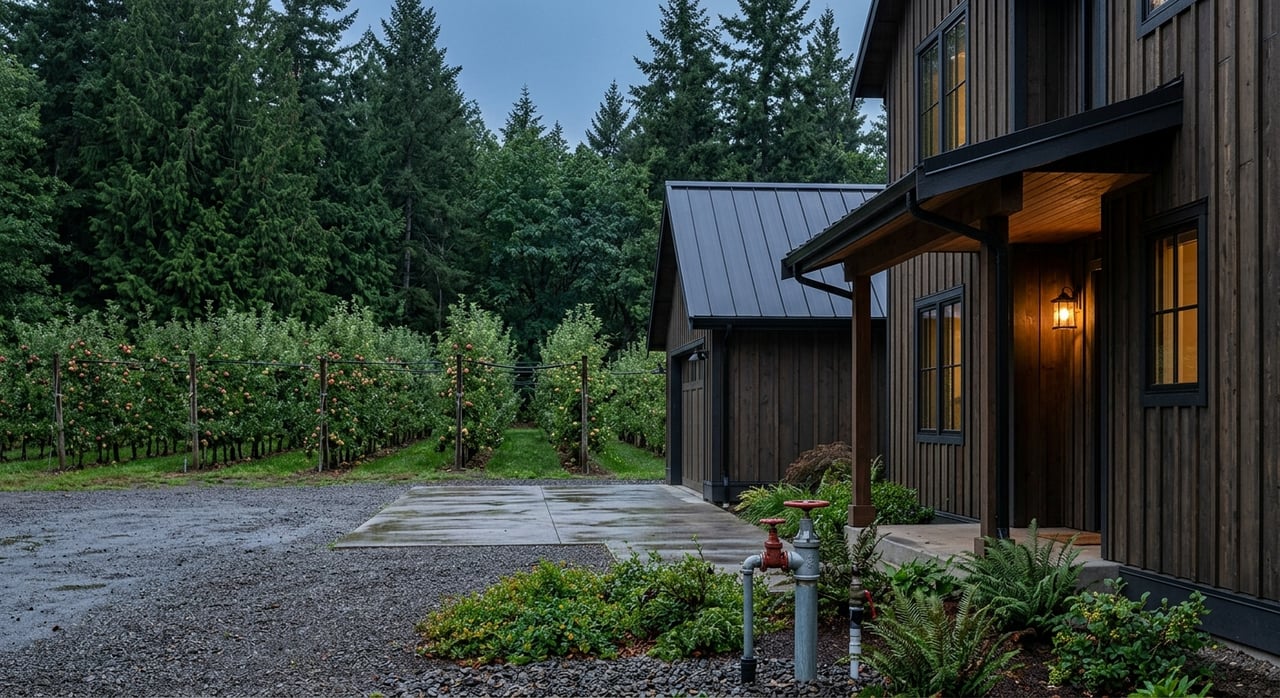
Lake Wenatchee is also part of a wildland-urban interface area with steep slopes and mixed ownership patterns. Chelan County’s wildfire planning specifically identifies infrastructure and egress concerns in parts of the broader area, including roads such as WA-207, Cedar Brae, Chiwawa Loop, and Shugart Flats.
That does not mean you should avoid the area. It means you should ask smart questions about evacuation routes, defensible space, road access, and how the home has been prepared for fire season.
Chelan County says fire season is typically June 1 through Oct. 1, with restrictions that can increase from Stage 1 to Stage 3 and may include barricades or road closures. If you plan to use the property heavily in summer, this is part of responsible ownership planning.
HOA rules and shared-use documents matter
Not every Lake Wenatchee property is in a managed community, but some are. For buyers who want a second home, vacation base, or lower-maintenance setup, community rules can be either helpful or limiting depending on your goals.
Kahler Glen is one example of a local community with mandatory membership and recorded governing documents. Natapoc Village is described as an HOA-managed condominium community, and some units may be used as short-term rentals at owners’ discretion.
That does not mean every nearby property follows the same rules. It does mean you should review HOA documents, CC&Rs, dues, exterior standards, snow removal responsibility, and rental language as early as possible.
Short-term rental plans need verification
If rental income is part of your buying strategy, do not rely on assumptions. Chelan County’s current short-term rental statistics show that the 98826 area, which includes Leavenworth, Lake Wenatchee, and Plain, is over the county’s tier 2 and tier 3 short-term rental cap.
That makes current permit status and code review especially important. A home that feels perfect as a vacation rental candidate may not align with the current regulatory environment.
Questions to ask during a showing
When you tour a Lake Wenatchee waterfront or view home, try to look past the setting for a few minutes and focus on the fundamentals. These questions can help you spot issues early.
- Is the property direct shoreline, shared access, or view only?
- Are the access rights recorded, and are there any easements tied to lake use?
- Where is the ordinary high water mark, and what shoreline buffer applies?
- Is there permit history for a dock, stairs, retaining wall, addition, or shoreline clearing?
- What septic system serves the property, and is there a reserve area?
- Is the property in an HOA or subject to CC&Rs?
- Who handles road maintenance and snow removal?
- How does the property handle wildfire preparedness and evacuation access?
- If rental use matters to you, what is the current short-term rental status?
What a smart Lake Wenatchee purchase looks like
The right purchase here is rarely just about finding the prettiest home on the water. It is about finding the property that fits your goals and works in real life, season after season.
For some buyers, that means true waterfront with a clear understanding of shoreline rules. For others, it means a view home with easier maintenance, or a shared-access property that delivers the lifestyle they want without full shoreline complexity.
A strong buying plan starts with the right questions, careful review of access and permit history, and realistic expectations about roads, septic, wildfire readiness, and community rules. That is where local guidance can make a real difference.
If you are thinking about buying near Lake Wenatchee, Lynn Stoddard can help you sort through the details, compare property types, and focus on the homes that truly fit your goals.
FAQs
What should you verify before buying a Lake Wenatchee waterfront home?
- You should confirm shoreline access type, ordinary high water mark location, buffer requirements, permit history, septic details, and winter access before moving forward.
How are Lake Wenatchee view homes different from waterfront homes?
- Lake Wenatchee view homes usually trade direct shoreline access for privacy, broader views, and sometimes a more workable homesite, but slope, access, and septic still need careful review.
Do Lake Wenatchee properties have HOA or community rules?
- Some do, especially in planned communities or condo settings, so you should review dues, CC&Rs, exterior rules, snow removal responsibilities, and rental restrictions early.
Can you buy a Lake Wenatchee home and use it as a short-term rental?
- You should verify current Chelan County code and permit status first because the 98826 area is already over the county’s tier 2 and tier 3 short-term rental cap.
Why is winter access important when buying near Lake Wenatchee?
- Winter weather can affect road conditions, snow removal, recreation access, and overall usability, so year-round access is a key part of evaluating any mountain or lake property.
What makes Lake Wenatchee real estate different from a typical lake market?
- The market combines lakefront appeal with rural mountain conditions, which means buildability, shoreline regulation, septic limits, wildfire readiness, and seasonal access often matter as much as the view.